


Search Here

Modern collaborative workspaces promise innovation and teamwork, yet many business leaders blame workplace failures on poor collaboration environments. Physical discomfort from inadequate collaborative furniture and seating disrupts focus, limits participation, and creates barriers to effective teamwork. The seating, tables and lighting solutions you choose directly impact whether collaborative spaces fulfil their potential or become underutilized meeting areas that employees avoid.
This guide examines how strategic Worklite seating, tables, and lighting design support collaboration, health, and business outcomes. You’ll discover specific criteria for selecting Worklite elements that enhance teamwork while preventing the musculoskeletal injuries that affect 1.8 million workers annually.
Well-designed collaborative spaces deliver tangible returns by enabling teams to work more efficiently and cohesively. When organizations prioritize teamwork environments, they create spaces where people can contribute effectively, share ideas, and align on goals. The benefits come from improved communication, smoother collaboration, and a culture that supports sustained, comfortable work sessions over extended periods. The extent of these gains depends on how well the space supports focus, interaction, and collaboration across teams.
Worklite’s combination of Levitate seating and tables, Lyft pouffes and benches, Cloud9 lounge pieces, and Inform luminaires is specifically designed to support these collaborative behaviours in fluid, colourful spaces rather than formal, fixed workstations.
Poor collaborative seating creates physical distractions that undermine group work. When team members shift constantly to relieve back pain or leave meetings early due to discomfort, the collaborative process breaks down. Significant time is wasted resolving miscommunications—a problem amplified when physical discomfort from poor ergonomics limits engagement and focus.
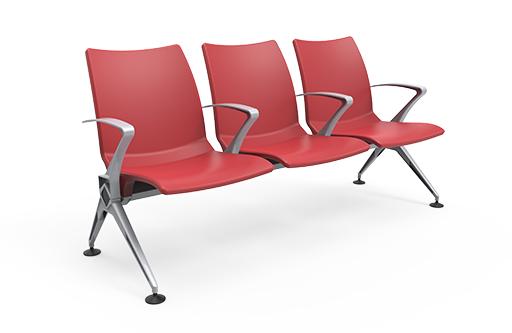
Quality ergonomic Worklite seating clusters eliminate these barriers by supporting natural posture during dynamic collaboration. Elements like Levitate 3‑seater couches, dedicated single seaters with built‑in USB ports, high stools, and Lyft pouffes allow users to sit high or low, perch briefly, or relax comfortably depending on the intensity and duration of the interaction. Features like angular seating modules for easy communication and Breathe Easy Soft Touch (B.E.S.T.) fabric help users maintain comfort whether leaning forward for intense discussion or relaxing during open-ended brainstorming sessions.
Work-related musculoskeletal disorders cost U.S. businesses $45-54 billion yearly in claims, productivity losses, and turnover — highlighting why offices the world over must prioritize ergonomics to avoid comparable economic strain amid rising hybrid work. In collaborative workspaces with heavy multi-user furniture traffic, investing in durable, quality Worklite seating and tables is a smart strategy. It prevents these cascading financial burdens, safeguards your workforce from injuries, and fosters long-term health, safety, and efficiency.
Industry standards provide objective criteria for evaluating collaborative furniture quality and durability in high-use settings. The Business and Institutional Furniture Manufacturers Association (BIFMA) establishes the benchmarks that separate professional-grade seating from consumer alternatives.
BIFMA certification ensures chairs accommodate 5th percentile females through 95th percentile males, covering approximately 90% of the workforce. This universal fit proves especially critical in hot-desking and shared collaborative spaces where multiple body types use the same furniture throughout the day.
Certified products undergo rigorous testing simulating years of use. Load tests apply repeated weight to seats, backs, and armrests, ensuring structural integrity under real-world conditions. For collaborative spaces experiencing constant reconfiguration and movement, this durability testing prevents premature failures that disrupt workflow.
When selecting Worklite configurations for high-traffic areas, pairing BIFMA-compliant task or meeting chairs with Levitate tables, Cloud9 lounges, and Lyft pouffes ensures both ergonomic support and long-term performance.
Different collaborative environments demand specific Worklite solutions based on usage patterns, duration, and team dynamics. Understanding these distinctions helps select appropriate seating, tables and lighting for each zone.
Huddle rooms host brief, intensive collaborations lasting 15-30 minutes. These spaces require lightweight, easily adjustable seating that accommodates rapid user changes and frequent turnover.
Look for these essential features:
Compact Levitate round tables and centre tables that support quick note‑taking and device use.
Lyft pouffes and benches that are light-weight, easily portable, and ideal for quick sit‑stand transitions.
Minimal adjustment complexity to support fast setup in time-sensitive meetings.
Swivel or easily repositioned seating enabling smooth orientation for dynamic conversations and interactions.
Breathable materials that prevent heat buildup during energetic, high-engagement discussions.
In such spaces, Lyft pouffes and Levitate round pouffes excel by letting users perch comfortably for short bursts while maintaining easy mobility to stand, move, or exit swiftly. The goal is flexible Worklite seating that fuels focused, productive work without the extensive adjustability needed for all-day use.
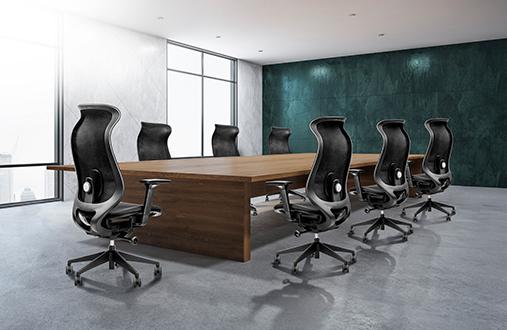
Extended meetings demand comprehensive ergonomic support to ensure productivity and well-being. Here, Worklite can complement ergonomic task or conference chairs with Levitate high tables, centre tables, and Cloud9 sofas to create zones for both formal discussion and relaxed breakout conversations. Conference spaces must maintain exceptional comfort through multi-hour sessions, accommodating varied postures—from dynamic active note-taking and gesturing to passive relaxed listening and leaning back.
Essential features include:
Supportive sofas and benches from the Cloud9 range (such as Bliss, Vogue, or Alysia) that offer comfortable cushioning and varied sizes for different group sizes.
Levitate centre and coffee tables with reverse chamfered wooden tops, providing ample surface area for laptops, notebooks, and shared documents.
Integrated power access via Levitate units with built‑in USB ports and 3‑pin sockets so users can charge devices without cluttering the table surface.
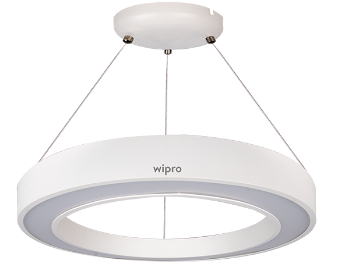
Inform Mute 800 or Inform Mute Amuse luminaires that provide soft, low‑glare light and sound absorption, improving visual comfort and acoustic quality for long sessions.
Quality matters significantly here. Furniture meeting rigorous durability standards withstands the intense, constant use these high-traffic collaborative spaces experience, while preserving smooth functionality and structural integrity over years of heavy daily operation.
Modern offices increasingly feature open areas where teams gather spontaneously for collaborative work and idea sharing. These dynamic spaces demand maximum flexibility, with modular Worklite solutions that support both focused individual tasks and impromptu group discussions, easily reconfiguring as team sizes and needs fluctuate throughout the day.
The key challenge involves accommodating diverse working styles simultaneously in shared zones. Worklite addresses this with: Levitate high tables and high stools for stand-up or perch meetings, Lyft pouffes and centre tables for relaxed clusters, and Cloud9 lounge pieces like Cuby or Cosmo for longer, informal sessions.
Inform Coral, Inform Octave 300, and Inform Mute Trine luminaires further enhance these zones by delivering uniform, efficient lighting and, in some versions, acoustic benefits, creating comfortable, vibrant environments that support quick pivots between solo focus and group collaboration.
Beyond basic comfort, specific ergonomic mechanisms actively support collaborative work patterns. Understanding these features helps you evaluate whether Worklite configuration truly enhances teamwork or simply prevents injury.
Static postures—whether sitting or standing—restrict blood flow and stress muscles, as noted in comprehensive wellness research. Collaborative work demands frequent position changes as teams engage dynamically with whiteboards, shared screens, and teammates during brainstorming sessions.
Worklite furniture encourages this fluidity:
High stools with multi-layer, multi-density PU high resilience foam that support perching without losing firmness.
Space-saving round pouffes with sturdy bases and quality fabrics that can be moved quickly to form new discussion clusters.
Flexible layouts that accommodate natural lateral shifts and torso twists as people turn toward different speakers or screens.
Hot-desking environments present unique challenges, with single workstations serving multiple users daily. Quick, intuitive reconfiguration becomes essential for maintaining ergonomic support across varying body types, postures, and preferences.
Instead of relying solely on heavily adjustable office chairs, Worklite uses modularity—different heights (high pouff vs low pouff), different depths (single vs three‑seater benches and sofas), and movable tables—to let teams quickly adapt the space to their task and comfort needs. Clear visual cues and simple forms reduce setup time, ensuring every user can find a suitable posture swiftly and stay productive.
Modern collaborative furniture increasingly incorporates technology features supporting seamless digital teamwork. Worklite integrates technology directly into its Levitate sofas and digital display units through built‑in USB ports, 3‑pin sockets, and HDMI connectivity, keeping power and content within easy reach while maintaining a clean visual language. This design promotes fluid collaboration, reduces setup time, and maintains clean, professional aesthetics in dynamic shared workspaces.
Selecting appropriate materials proves especially important in warm, humid environments where heat buildup affects comfort and concentration. Worklite offers a wide palette of fabrics—from Ruby and Emerald to Denim and Oatmeal—and acoustic boards in multiple colours, enabling designers to specify lighter tones and breathable textures that feel cooler and more inviting. Mesh backs on task chairs can complement these upholstered elements when needed.
Focus on essential ergonomic features—comfortable seat design, stable tables, and supportive lighting—before considering premium additions. Worklite’s mid-range modular solutions like Lyft pouffes, Levitate tables, and entry-level Cloud9 pieces provide strong value by combining durability, flexibility, and aesthetics without excessive cost.
Space efficiency matters in smaller offices and home workspaces. Compact Cloud9 units such as Aura chairs, Canto pouffes, or We Chat pods, along with foldable Lyft benches and stackable Levitate stools, help maximize usable area while still supporting collaboration. Armless and slim-profile options make it easier to increase capacity without crowding users.
Investing in quality Worklite collaborative furniture—seating, tables, and lighting—for shared spaces delivers returns through increased productivity, reduced injury costs, and improved team performance. Focus on solutions that blend ergonomic comfort with mobility and modularity so teams can reconfigure spaces quickly for different activities.
When selecting Worklite elements, prioritize durability, multi-user adaptability, and technology integration—such as built-in power, acoustic lighting, and easy-to-move units. With Levitate, Lyft, Cloud9, and Inform working together, collaborative spaces move beyond traditional office chairs to become colourful, vibrant, and truly fluid environments where teams thrive.