


Search Here
Table of Contents
|
Walk through any corporate office during afternoon hours and notice the shifting, stretching, and fidgeting. Employees adjust cushions, massage their lower backs, and stand frequently to relieve discomfort. These small movements tell a larger story about workplace wellness and the hidden toll of inadequate seating.
Budget office chairs might balance this quarter's expenses, but their true cost emerges through healthcare claims, productivity losses, and employee dissatisfaction. Organisations investing in quality seating solutions create environments where comfort supports performance and wellbeing becomes part of company culture.
When procurement teams evaluate office chairs, initial price tags often drive decisions. A ₹3,000 chair appears to save significant money compared to a ₹15,000 ergonomic option, especially when multiplied across hundreds of workstations. Yet this surface-level calculation misses the profound financial impact that follows.
The mathematics of cheap seating reveals itself over time. A cheap ₹3,000 chair needs replacing yearly, totalling ₹15,000 over 5 years. A durable ₹15,000 chair, if taken care of and maintained, can last up to 10 years, costing just ₹7,500 over the same 5 years. This simple comparison excludes maintenance expenses, productivity impacts, and healthcare costs that multiply the real difference.
Organisations often discover that budget chairs generate expenses far exceeding any initial savings. Frequent repairs, constant adjustments, and early replacements strain maintenance budgets. More critically, uncomfortable employees take more breaks, lose focus during important tasks, and develop health issues that affect attendance and performance.
Several factors drive organisations toward budget seating despite long-term disadvantages. Quarterly financial pressures push decision-makers to minimise immediate expenses. Startups, constrained by tight venture funding, prioritise tech investments like software and hardware, relegating furniture to the bottom of the list. Educational institutions, bound by government budgets and procurement rules, must select the lowest-bid vendors, even when superior ergonomics would boost productivity.
The disconnect between procurement departments and end users creates another challenge. Those approving furniture purchases rarely spend eight hours daily in the chairs they select. Without experiencing the gradual onset of back pain or afternoon fatigue, decision-makers miss the human cost of these choices. This institutional blindness perpetuates cycles of inadequate seating across organisations.
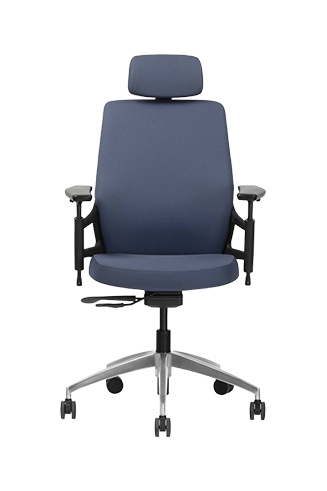
The Wipro Absolute chair provides a great win-win arguement here. It is not just reasonably and compretitively priced but it also comes with a whole host of ergonomic feature which ensure employee well-being. To begin with, the curved 4D arm rests allow for maximum customisability and the Auto Weight Sensing Mechanism makes it a perfect choice for all body types.
The connection between seating quality and workplace performance runs deeper than most organisations realise. Poor ergonomics creates cascading effects that touch every aspect of business operations, from daily productivity to long-term healthcare costs.
Musculoskeletal disorders linked to poor workplace ergonomics account for a majority of all injuries causing employees to miss work. Back injuries alone represent 19% of workers' compensation claims.
Beyond direct medical expenses, organisations bear indirect costs through sick leave, temporary staffing, and reduced team productivity. Employees suffering from chronic back pain require physiotherapy sessions, pain medications, and sometimes surgical interventions. These treatments mean time away from work, disrupted project timelines, and knowledge gaps when experienced team members take extended medical leave.
|
Health Impact |
Direct Costs |
Indirect Costs |
Long-term Effects |
|---|---|---|---|
|
Lower Back Pain |
Medical consultations, physiotherapy |
Sick days, reduced output |
Chronic conditions, early retirement |
|
Neck Strain |
Pain medication, specialist visits |
Focus issues, meeting absences |
Posture problems, headaches |
|
Shoulder Tension |
Massage therapy, ergonomic assessments |
Typing speed reduction, errors |
Repetitive strain injuries |
|
Hip Stiffness |
Chiropractic care, mobility aids |
Movement restrictions, fatigue |
Mobility limitations, weight gain |
Research demonstrates that ergonomic office chair use can increase individual worker performance by 17.7%. These statistics translate into measurable business outcomes across organisations.
Physical discomfort creates cognitive interference that affects decision-making, creativity, and problem-solving abilities. Employees constantly changing seating positions or managing pain cannot maintain the deep focus required for complex tasks. Team members leave collaborative sessions early due to discomfort, missing crucial discussions and decisions. The accumulated impact across hundreds of employees represents millions in lost productivity annually.
|
Performance Insight: The Comfort-Productivity Connection Studies show workers using quality ergonomic seating deliver higher productivity compared to those in standard chairs. This improvement stems from reduced physical distraction, better blood circulation supporting cognitive function, and sustained energy levels throughout the workday. |
Understanding the distinction between cheap and quality seating requires examining both construction standards and ergonomic design principles. For instance, the Wipro Amplify chair demonstrates these through its Curved Lumbar Support, which retains the spine's natural S-curve, and 5 stage reclining positions reclining positions that allow for maximum comfort. Organizations making informed choices about seating investments need clear criteria for evaluating options beyond price tags.
BIFMA (Business and Institutional Furniture Manufacturers Association) certification represents the gold standard for office chairs. ANSI/BIFMA X5.1 testing covers stability, backrest strength, seat durability, and mechanism reliability. Chairs earning certification demonstrate they can withstand years of daily use while maintaining safety and functionality.
BIFMA standards address ergonomic requirements, ensuring chairs accommodate users from the 5th percentile female to the 95th percentile male. This range means quality chairs adjust sufficiently for nearly all workforce members, reducing the need for special accommodations or multiple chair types. Certified furniture also provides legal protection, as compliance with recognised standards offers advantages in workplace injury cases.
Key Quality Indicators for Organisational Buyers:
• BIFMA certification ensuring durability and safety standards
• Adjustability ranges accommodating diverse body types
• Warranty periods reflecting manufacturer confidence
• Modular components enabling repairs rather than full replacement
• Materials rated for commercial use intensity
• Testing data demonstrating performance under continuous use
Modern best ergonomic office chair options incorporate research-based features supporting natural movement and posture variety. Rather than forcing users into static positions, quality seating encourages micro-movements that prevent fatigue and maintain circulation. Adaptive lumbar support responds to position changes, while synchronised tilt mechanisms maintain proper angles between torso and thighs.
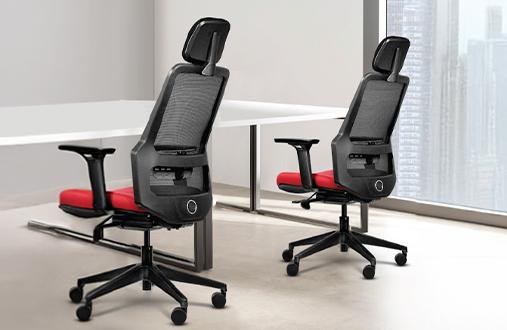
Wipro's Always Glo chair exemplifies this design philosophy through its Body Tracking Lumbar Support feature, which adapts to all body types and does not let health pay the price for an illustrious career. The seat is equipped with Aeroflo technology, which doesn't just help users stay cool but also distributes the body weight evenly.
The replacement cycle for office chairs creates predictable but often overlooked budget pressures. Organisations choosing cheap seating find themselves trapped in continuous procurement cycles that strain resources and disrupt operations.
Most budget desk chair options require replacement every 12-18 months under normal office use. Compressed foam loses support, plastic components crack, and adjustment mechanisms fail. In contrast, quality chairs are built to last a much longer time.
For instance, an organisation with 500 employees, cheap ₹4,000 chairs replaced yearly cost ₹20 lakhs per year which brings the 5 year total to ₹1 crore. Quality ₹16,000 chairs lasting longer total ₹80 lacs for the same time period and also deliver better comfort, fewer health claims, and higher productivity over time. Total ownership cost reveals the true value.
Beyond complete replacement, cheap chairs generate continuous maintenance expenses. Facilities teams spend hours addressing squeaking mechanisms, wobbly bases, and torn upholstery. Each service call disrupts employee work, requires documentation, and often provides only temporary relief before problems resurface.
Quality seating reduces these hidden costs through superior construction and available replacement parts. When high-end chairs need service, modular designs enable component replacement rather than complete disposal. This repairability extends furniture life while supporting sustainability initiatives increasingly important to employees and stakeholders.
Take the Wipro Immerse chair, for instance; it comes equipped Aeroflo technology which evenly distributes the weight and eliminates pressure points. The perforated seat helps with heat dissipation which comes in clutch during Indian summers.
Maintenance Cost Comparison:
|
Chair Category |
Annual Maintenance (per chair) |
Typical Issues |
Disruption Level |
|---|---|---|---|
|
Budget Chairs (₹3,000-5,000) |
₹800-1,200 |
Broken wheels, torn fabric, failed height adjustment |
High - frequent repairs |
|
Mid-Range (₹8,000-12,000) |
₹400-600 |
Occasional mechanism issues, armrest problems |
Moderate - quarterly service |
|
Premium/BIFMA Certified (₹15,000+) |
₹200-300 |
Preventive maintenance only |
Low - annual check-ups |
Seating choices send powerful messages about organisational values and priorities. Companies investing in employee comfort demonstrate commitment extending beyond quarterly profits to long-term workforce sustainability.
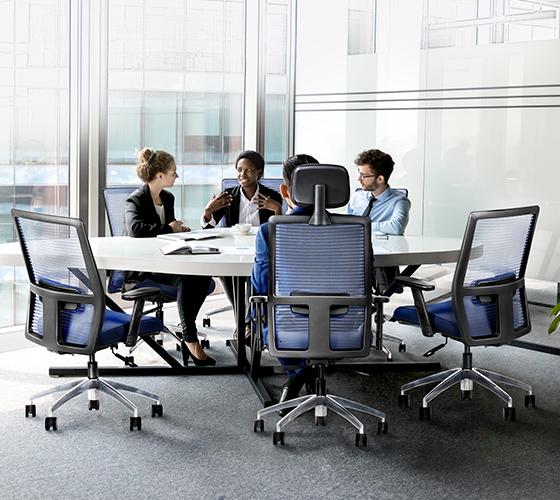
Employees forced into uncomfortable seating feel undervalued, affecting motivation and loyalty. Studies on workplace satisfaction consistently show physical environment ranking among top factors influencing employee engagement. When organisations provide quality seating, team members recognise the investment in their daily comfort and long-term health.
This recognition translates into measurable retention benefits. Replacing experienced employees costs between 150% and 250% of annual salary when considering recruitment, training, and productivity losses during transition periods. If comfortable seating helps retain even a few key employees annually, the investment pays for itself through avoided turnover costs.
Organisations serious about employee wellbeing extend ergonomic thinking beyond individual chairs to complete workspace design. Wipro's Adapt chair supports this holistic approach with its supreme balance and weight distribution. Not only is the Adapt very reasonably priced, it also comes with customisable options like aluminium or nylon bases, fixed or adjustable armrests and even high and mid back variants.
Forward-thinking companies involve employees in seating selection, conducting trials and gathering feedback before major purchases. This participatory approach ensures chosen solutions meet actual user needs while building buy-in for the investment. Employees who help select their chairs take better care of them, extending furniture life and maximising value.
|
Culture Building Through Comfort
Organisations reporting the highest employee satisfaction scores consistently invest above industry averages in workspace quality. These companies understand that physical comfort enables mental engagement, creative thinking, and collaborative innovation. Every chair becomes a daily reminder that the organisation values its people. |
The evidence overwhelmingly supports investing in quality office chairs as a sound business strategy. From reduced healthcare costs and improved productivity to enhanced retention and cultural benefits, proper seating delivers returns across multiple dimensions. Organisations continuing to purchase cheap chairs sacrifice long-term value for short-term savings, ultimately paying far more through hidden costs and lost opportunities.
Smart organisations evaluate seating investments using total cost of ownership models incorporating health expenses, productivity impacts, and replacement cycles. By choosing options with superior build quality, such as Wipro's Task Zone series, they create workplaces supporting both immediate performance and long-term employee wellbeing. The question isn't whether organisations can afford quality seating, but whether they can afford not to.
Studies demonstrate 17.7% productivity gains when employees use ergonomic office chair options. For knowledge workers, this translates to 1.5 additional productive hours daily through reduced discomfort and sustained focus.
Replace chairs showing visible wear, lacking proper adjustability, or generating employee complaints about discomfort.
BIFMA certification demonstrates due diligence in providing safe, appropriate workplace furniture. This compliance helps defend against injury claims while potentially reducing insurance premiums through proactive risk management.
Genuine best ergonomic office chair options offer synchronised tilt mechanisms, adjustable lumbar support, seat depth adjustment, and armrest flexibility. Some also feature mesh designs which work best in hot and humid climates.
Present total cost of ownership analyses, including healthcare savings, productivity gains, and reduced replacement frequency. A ₹15,000 quality chair costs just ₹1,500 per year over 10 years, beating ₹3,000 cheap chairs replaced every 2 years (₹1,500/year too—but without durability gains).
Standing desks complement but don't replace ergonomic seating. Employees alternate between sitting and standing throughout the day, making quality chairs essential for the 4-6 hours typically spent seated.