


Search Here
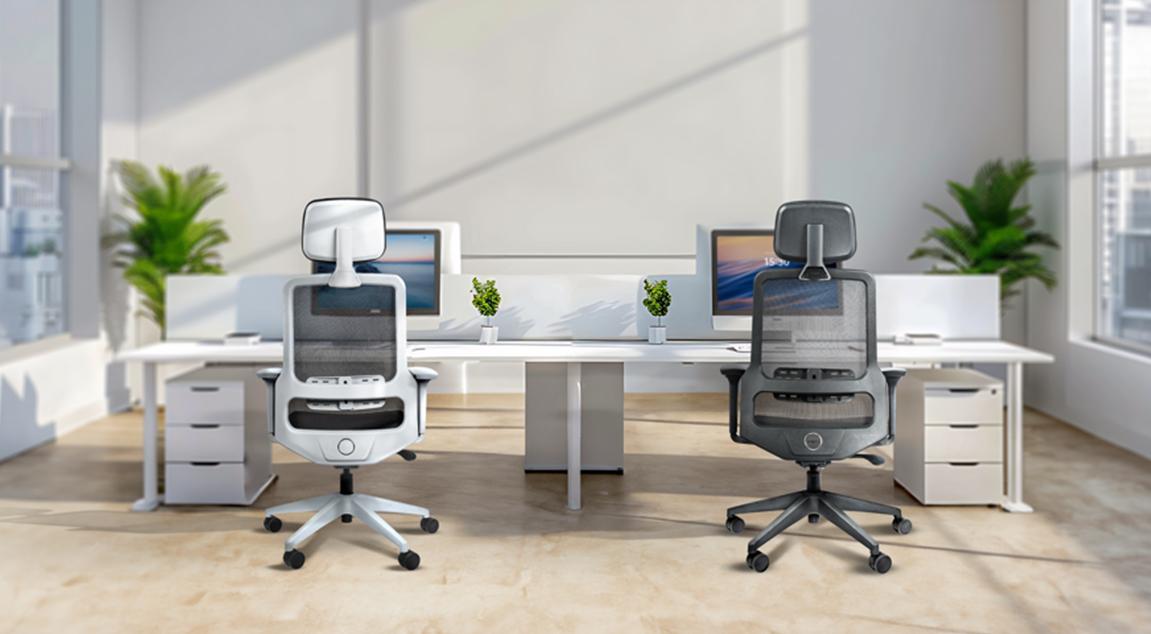
Table of Contents
|
Despite advances in office design, many employees still face discomfort during long meetings, struggling with chairs that don’t provide proper support. This common challenge shows that appearance alone isn’t enough—office furniture design must focus on real comfort and ergonomics to help people stay focused and energized throughout the day. This guide explores five trending office furniture design ideas reshaping workplaces into environments where comfort and productivity naturally align.
A rigid office layout is a thing of the past. Today's dynamic work environments require furniture that moves and adapts as quickly as teams do. This flexibility has become essential for organizations managing hybrid schedules, project-based teams, and evolving space requirements.
Modular furniture represents a fundamental shift in workspace thinking. Instead of permanent installations, organizations now choose systems that reconfigure easily. For instance, hexagon desks connect for collaborative projects, then separate for focused work, and mobile partitions create instant meeting spaces or open up for larger gatherings. This adaptability proves especially valuable in startup environments where teams expand rapidly and space remains premium.
The benefits extend beyond flexibility alone. Modular designs accommodate different body types and work preferences without requiring entirely new furniture. A single system serves multiple purposes—morning team huddles, afternoon collaborations, and evening presentations. This efficiency matters particularly in urban centers where commercial real estate costs continue climbing.
Modular configurations enhance teamwork while maintaining individual comfort. Social booths with integrated power outlets create semi-private spaces for small group discussions. These prove particularly effective for creative teams needing both collaboration and concentration. The booths feature sound-dampening materials that reduce ambient noise without complete isolation.
Open cube systems offer another popular configuration. Unlike traditional cubicles, these modular units feature lower walls and curved edges that encourage interaction while providing a personal workspace. Teams can arrange cubes in clusters for project work or separate them for individual tasks. These versatile setups blend comfort with adaptability, perfectly suiting the shifting demands of modern work patterns. The key lies in choosing configurations that support natural movement between solo and group activities throughout the day.
Employee wellness directly connects to seating quality, yet many organizations underestimate this relationship. Poor seating contributes to musculoskeletal disorders, reduced focus, and increased sick days. The solution involves understanding how ergonomic design supports natural body mechanics throughout extended work sessions.
Ergonomic seating follows specific principles grounded in biomechanical research. Proper lumbar support maintains the spine's natural S-curve, reducing pressure on lower back muscles. Studies show ergonomic furniture leads to a 50% reduction in employee discomfort. The seat depth matters equally—allowing two to four inches between the seat edge and the back of knees prevents circulation problems.
Beyond basic positioning, ergonomic chairs address movement needs. Static postures, even correct ones, cause fatigue over time. Quality seating encourages micro-movements through features like synchronized tilt mechanisms and flexible backrests. These subtle shifts maintain muscle engagement and blood flow without disrupting concentration. The IT sector particularly values these features, with 60% of office furniture sales driven by demand for ergonomic options.
Modern ergonomic chairs incorporate sophisticated features addressing specific workplace challenges: adjustable armrests prevent shoulder tension by supporting arms at proper heights relative to desks; memory foam cushions adapt to individual body contours while maintaining support throughout long sessions. For organizations dealing with hot climates and inconsistent air conditioning, breathable mesh backs provide essential ventilation.
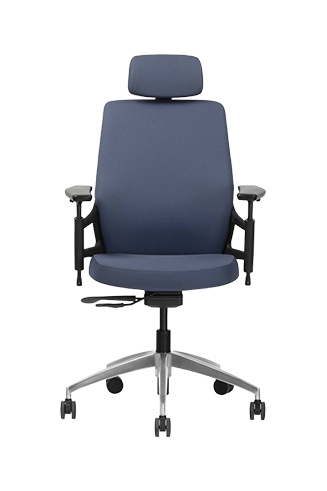
The most effective ergonomic seating offers intuitive adjustability. Employees should modify positions easily without interrupting workflow. Pneumatic height adjustment, tension control for recline resistance, and seat-slide mechanisms work together, creating personalized support. Wipro's ergonomic task chairs demonstrate how thoughtful engineering translates into daily comfort, featuring multiple adjustment points that accommodate diverse body types and work styles.
The human body isn't designed for eight hours of sitting. Height-adjustable workstations address this fundamental challenge by enabling position changes throughout the day. This trend continues gaining momentum as organizations recognize the health and productivity benefits of movement-friendly workspaces.
Prolonged sitting contributes to numerous health issues, including cardiovascular problems, metabolic slowdown, and chronic pain. Height-adjustable desks combat these risks by facilitating regular position changes. Employees can also alternate between sitting and standing based on task requirements and personal comfort. This flexibility proves particularly valuable during long conference calls or intensive computer work.
The productivity benefits match the health advantages. Standing periods often coincide with increased alertness and energy. Many professionals report clearer thinking during standing intervals, especially during afternoon hours when sitting fatigue typically peaks. Electric height adjustment proves superior to manual systems, enabling smooth transitions without workflow disruption. The convenience encourages more frequent position changes, maximizing benefits.
Successful implementation of height-adjustable workstations requires thoughtful planning. Desk accessories must accommodate changing heights—monitor arms, keyboard trays, and cable management systems need flexibility—while anti-fatigue mats provide essential cushioning for standing periods. Some organizations even incorporate balance boards or stability cushions, engaging core muscles during desk work.
Beyond individual workstations, active environments include standing meeting tables and collaboration areas. These spaces naturally encourage shorter, more focused discussions. Treadmill desks and pedal units represent advanced options for continuous movement, though these suit specific roles better than others. The goal remains creating choices that support natural movement patterns without forcing artificial behaviors.
Technology integration in office furniture design has evolved from luxury to necessity. Smart furniture solutions address connectivity challenges while supporting the digital workflows that define contemporary business. This integration goes beyond adding power outlets—it involves rethinking how furniture facilitates technological interaction.
Modern smart furniture incorporates technology at fundamental design levels. Levitate sofas feature built-in USB ports and power sockets right where you need them, eliminating cable clutter. Flippo desks include a convenient TV mount on one side, seamlessly connected via cable for a tidy setup. Conference tables include retractable screens and connectivity hubs supporting instant content sharing.
The sophistication extends to space management. Sensor-equipped furniture provides usage data, helping organizations optimize layouts. Touch-screen reservation systems on meeting room furniture prevent double bookings and improve space utilization. These features prove particularly valuable in hot-desking environments where employees need quick access to available workspaces. Demand for such smart office solutions increased by 25% in 2023 alone.
Connected furniture creates ecosystems supporting modern work patterns. Video conferencing tables with integrated cameras and microphones eliminate setup delays for remote meetings. Height-adjustable desks with memory settings remember individual preferences, adjusting automatically when employees log in. This personalization extends to lighting and temperature controls integrated into workstation design.
The productivity gains emerge from removing friction points. Employees spend less time managing technology and more time using it effectively. Smart furniture also supports hybrid work models by maintaining consistent experiences between office and remote participants. Wipro's Board Room solutions exemplify this integration, offering sophisticated seating that enhances executive meetings and presentations.
Environmental consciousness shapes modern office furniture design choices as organizations align workspace decisions with sustainability goals. This trend encompasses material selection, manufacturing processes, and design philosophies that connect employees with natural elements. The approach benefits both planetary health and employee well-being.
Sustainable furniture prioritizes renewable and recycled materials without sacrificing durability. Bamboo desktops offer exceptional strength while regenerating faster than traditional hardwoods. Recycled plastics transform into colorful, durable seating components. Manufacturers increasingly use water-based finishes and low-emission adhesives, addressing indoor air quality concerns.
The aesthetic appeal of natural materials enhances their practical benefits. Wood grain surfaces create warmth often missing in corporate environments. Stone accents and natural fiber textiles add textural variety, stimulating visual interest. These materials age gracefully, developing character rather than showing wear. Organizations choosing sustainable furniture report 20% growth in demand responding to corporate sustainability initiatives and employee preferences.
Biophilic design principles extend beyond material selection to incorporate living elements into workspaces. Furniture with integrated planters brings greenery directly to desks and meeting areas. Living walls supported by modular furniture systems improve air quality while creating calming focal points. Studies indicate that exposure to natural elements like plants and natural light in offices reduces stress levels and enhances well-being, with some showing lower physiological stress markers and improved mood.
Employee satisfaction metrics improve markedly in biophilic environments. Workers report feeling more energized and less fatigued when surrounded by natural elements. The psychological benefits translate into tangible outcomes—reduced sick days, improved collaboration, and higher retention rates. Green design also supports corporate social responsibility goals, demonstrating environmental commitment to employees and clients alike.
Successful workspace transformation requires balancing these trending designs based on organizational needs. Start by assessing current pain points—employee discomfort suggests prioritizing ergonomic seating, while space constraints indicate modular solutions. Technology-heavy roles benefit most from smart furniture integration. Consider piloting new designs in specific departments before full implementation.
Remember that furniture investments impact employee experience for years. Mix trending elements thoughtfully—combine modular systems with ergonomic seating, add height-adjustable options in focused work areas, and integrate sustainable materials throughout. This holistic approach creates environments where design serves people, not the reverse. Organizations seeking comprehensive solutions can explore Wipro's complete office seating range designed to address diverse workspace needs while maintaining consistent quality and comfort standards.
Current office furniture design images showcase modular hexagon desks, ergonomic mesh chairs, standing desk setups, and biophilic designs with integrated planters. Smart furniture with built-in screens and sustainable bamboo furnishings dominates contemporary workspace photography.
Select modular systems for collaborative areas, ergonomic chairs for task zones, height-adjustable desks for focus areas, and comfortable lounge seating for informal meetings. Each zone requires furniture design matching its primary function and user needs.
A comprehensive office furniture design catalogue features product dimensions, material specifications, adjustment capabilities, warranty details, and sustainability certifications. Include configuration options, color choices, and compatibility information for creating cohesive workspace solutions.
Modular systems offer flexible options per workstation. Ergonomic chairs start from INR 8,000 depending on features. Smart furniture and height-adjustable desks require higher initial investment but offer long-term productivity and wellness returns.
Hot-desking solutions with personal storage lockers, easily reconfigurable modular furniture, and height-adjustable desks suit hybrid models. Technology-integrated pieces supporting quick setup and wireless connectivity prove essential for employees splitting time between locations.
Major furniture updates typically occur every 7-10 years, though technology components may require frequent upgrades. Assess employee comfort annually and address specific issues promptly. Gradual updates often work better than complete overhauls.