


Search Here
Table of Contents
|
At the start of every workday, the office chair helps you settle in and focus. But by midday, that same chair can become a source of discomfort, making it difficult to stay productive. Often, it’s the lack of adjustability or the absence of thoughtful ergonomic design that turns a seat meant for focus into a cause of distraction.
The relationship between chair design and workplace comfort runs deeper than simple cushioning. Modern ergonomic science reveals how proper spinal support, thoughtful adjustability, and materials that breathe throughout the day fundamentally change the work experience.
The body wasn't designed for eight-hour stretches of sitting, yet that's precisely what contemporary careers demand. Understanding how high-back chair designs support the spine begins with recognising the unique challenges of modern desk work.
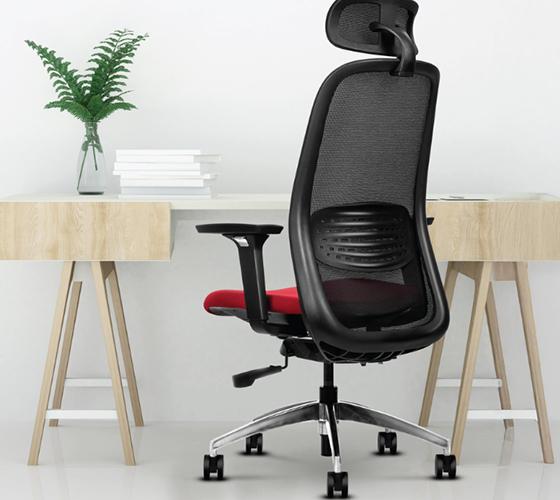
The human spine naturally curves in an S-shape, with distinct regions requiring different types of support. A properly designed high-back chair extends support from the lower lumbar region up through the thoracic spine and shoulders. This comprehensive coverage addresses what chairs with shorter backs miss—the upper back tension that develops from leaning forward toward screens or hunching during concentrated work. Wipro's Spectra chair has a high-back variant which is perfect for long hours at the desk while the mid-back is better for shorter durations.
Research demonstrates that chairs providing total spinal support can reduce musculoskeletal disorders by quite a bit, improving job performance. The key lies in how these designs distribute your body weight evenly, preventing pressure points that lead to discomfort. When your entire back receives proper support, your muscles can relax rather than constantly working to maintain posture.
Contrary to popular belief, the healthiest sitting position isn't a single "perfect" posture maintained all day. Your body thrives on movement, and modern chair engineering reflects this understanding. Throughout your workday, you naturally cycle through three distinct sitting modes: forward sitting when writing or reviewing documents, slightly reclined sitting for typing and screen work, and deeply reclined sitting during thinking or phone conversations.
|
Design Insight: Dynamic Support Systems Quality ergonomic chairs move with you rather than constraining you. Synchro mechanisms allow the seat and backrest to tilt in harmony with your body's natural pivot points, maintaining support whether you're leaning forward in concentration or reclining during a call. |
Advanced chairs incorporate dynamic movement integration that encourages these natural position changes. Studies tracking workplace interventions found a 4.87% increase in productivity when ergonomic chairs were used, with the most significant improvements occurring during the final minutes of each work session—precisely when fatigue typically peaks.
The difference between a standard high-back chair and a genuinely ergonomic design lies in the details of how it adapts to the unique body and work patterns. True ergonomic excellence goes beyond basic comfort to actively support wellbeing throughout the day.
The lower back bears tremendous strain during seated work, making lumbar support perhaps the most critical ergonomic feature. Adaptive lumbar systems adjust both in height and depth, accommodating the natural curve of different spines. This personalisation matters because no two backs curve identically; what feels supportive to one person might create pressure for another.
Modern lumbar mechanisms often feature adjustable firmness alongside positioning options. Some designs incorporate flexible materials that respond to movements, providing firmer support when leaning back and gentler pressure during forward work. This responsiveness prevents the common problem of lumbar supports that feel either too aggressive or insufficiently supportive.
The placement of lumbar support proves equally important. Proper positioning aligns with the spine's natural curve, typically between the third and fourth lumbar vertebrae. Quality designs like Wipro's Immerse chair allow vertical adjustment, ensuring users of various heights find their optimal support zone.
While seat height remains the most recognised adjustment, comprehensive ergonomic designs offer multiple customisation points that work together to create truly personalised support. Professional guidelines recommend chairs accommodate users from the 5th percentile female to the 95th percentile male, requiring substantial adjustment ranges across all features.
|
Adjustment Feature |
Recommended Range |
Impact on Comfort |
|---|---|---|
|
Seat Height |
40-53 cm |
Ensures feet rest flat with thighs parallel to floor |
|
Armrest Height |
18-28 cm from seat |
Prevents shoulder tension and supports natural arm position |
|
Seat Depth |
38-50 cm |
Accommodates different leg lengths while maintaining back contact |
|
Backrest Angle |
90-120 degrees |
Supports various work postures throughout the day |
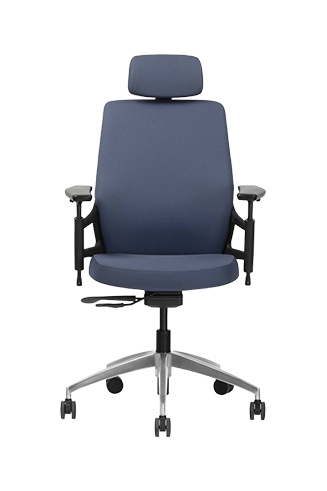
Armrest adjustability extends beyond simple height changes. Four-dimensional armrests move up/down, forward/backward, and pivot inward/outward and adjust in width. This flexibility matters during different tasks—closer armrests support precision work, while wider positioning allows relaxed thinking postures. Wipro's Absolute chair demonstrates this effortlessly while also featuring a two-way adjustable headrest for added customisation.
Today's office environments demand furniture that performs beautifully in every sense. The evolution of workplace design has dissolved the false choice between aesthetics and ergonomics, creating chairs that enhance both visual sophistication and physical comfort.
The contemporary office chair market proves that style and ergonomics complement rather than compromise each other. Design trends for 2025 embrace bold colour palettes—deep teals, warm corals, and sophisticated charcoals—that energise spaces while maintaining professional appeal. These aesthetic choices integrate seamlessly with ergonomic engineering, using colour and form to create welcoming environments that encourage proper use.
Mixed materials define modern chair aesthetics, combining metals, woods, and technical fabrics in ways that serve both form and function. For instance, a high-back chair with a wooden frame provides structural elegance while supporting ergonomic mechanisms and powder-coated aluminium bases offer durability with contemporary flair. The key lies in how these materials work together to create cohesive designs that feel intentional rather than purely functional.
The "resimercial" movement—blending residential comfort with commercial durability—particularly influences current design directions. Offices increasingly feature seating that doesn't look out of place in upscale homes, with soft curves, textile richness, and welcoming proportions that make returning to the office more appealing after hybrid work experiences.
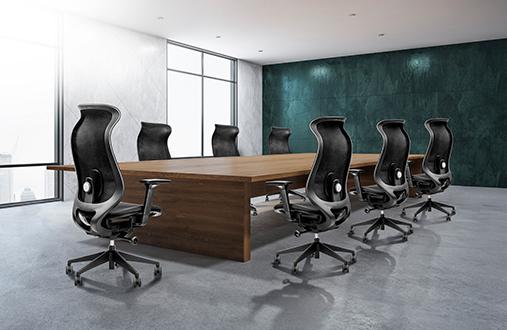
Material selection profoundly impacts both comfort and aesthetics, with innovations addressing specific challenges of contemporary workplaces. A mesh chair with a high back, like Wipro's It's Me chair, has evolved far beyond basic stretched fabric, incorporating engineered weaves that provide targeted support zones while maintaining airflow. These materials prove especially valuable in spaces where temperature varies throughout the day or where multiple users share seating.
|
Material Type |
Best For |
Key Benefits |
|---|---|---|
|
Engineered Mesh |
All-day use, warm climates |
Superior breathability, easy maintenance, modern aesthetic |
|
Memory Foam + Fabric |
Focused work environments |
Conforming comfort, noise reduction, traditional appeal |
|
Leather/Leatherette |
Executive spaces |
Professional appearance, durability, easy cleaning |
|
Recycled Materials |
Sustainability-focused offices |
Environmental responsibility, unique textures, conversation starter |
Smart material integration represents the cutting edge of chair design. Temperature-responsive fabrics adjust their properties based on body heat, while moisture-wicking surfaces keep users comfortable during long sessions. Some premium chairs now incorporate antimicrobial treatments—particularly relevant in shared workspace environments.
Selecting appropriate seating requires understanding both specific needs and the chair's capabilities. The process extends beyond trying a chair briefly in a showroom to considering how it will support an individual through countless workdays.
The work style directly influences which ergonomic features are most important. The nature of the tasks performed determines the required support: frequent video calls require excellent upper back support and a professional appearance from all angles; intensive computer work necessitates precise armrest positioning and responsive lumbar support; creative roles involving sketching or reviewing large documents benefit from chairs with generous recline ranges and stable bases.
Task duration also shapes feature priorities. Short-term sitting (under two hours continuously) allows greater flexibility in design choices, while extended sessions require comprehensive support systems.
|
Workplace Reality Check Track the actual work patterns for a week. Note when discomfort typically appears, which positions are held longest, and how often postures change. This self-awareness can guide toward features that address specific challenges rather than generic "good" chairs. |
Space considerations matter too. Compact home offices might require chairs with smaller footprints that still deliver full ergonomic benefits. Open-plan offices benefit from chairs with aesthetic cohesion across different models, allowing personalisation within a unified design language. The Wipro That's It chair can effortlessly fit into any space and provide unmatched comfort thanks to its wide and high-back design accompanied by synchro-tilt with 3-point locking system.
Quality seating represents a strategic investment in productivity and wellbeing rather than a simple furniture purchase. The economics become clear when considering that office workers spend approximately 1,400 hours annually in their chairs—more time than in their cars or any other single piece of furniture.
Consider total ownership costs beyond initial price:
Warranty coverage depth and duration
Availability of replacement parts
Maintenance requirements for different materials
Energy needed for adjustments (manual vs. powered options)
Potential health cost savings from reduced strain injuries
Smart purchasing also involves testing chairs properly.
Spend at least 30 minutes seated, adjusting all features and working through typical postures.
Pay attention to pressure points that might become problematic over time.
Ensure adjustment mechanisms feel smooth and intuitive. Complicated controls often go unused, defeating ergonomic benefits.
The path to workplace comfort through thoughtful chair selection rewards both immediate wellbeing and long-term health. Understanding how high-back chair designs protect your spine, recognising the features that matter for a particular work style, and appreciating how modern aesthetics enhance rather than compromise ergonomics empower smarter seating decisions. Explore Wipro's comprehensive seating solutions to discover chairs engineered for the way you really work.
High-back designs extend support above shoulder blades, covering the entire spine, including the upper thoracic region. This comprehensive coverage reduces neck strain and upper back tension, which is especially beneficial for tasks requiring forward lean or extended screen time.
Engineered mesh provides consistent support while allowing continuous airflow, preventing heat build-up during extended sitting. The material's flexibility accommodates natural movements while maintaining shape over years of use.
While style-focused living room chairs may look appealing, office-specific designs incorporate crucial adjustability features and ergonomic support systems necessary for sustained desk work. Choose models designed for task seating.
Review the adjustments monthly or whenever experiencing discomfort. Body changes and shifting work patterns all influence optimal settings. Regular fine-tuning maintains ergonomic benefits.
Proper height ensures feet rest flat while thighs remain parallel to the floor, preventing circulation issues. This foundational adjustment affects every other ergonomic element, from monitor positioning to keyboard placement.
Modern wooden frames incorporate engineering that maintains aesthetic warmth while housing sophisticated adjustment mechanisms. Quality designs balance natural materials with ergonomic functionality through thoughtful integration.