


Search Here
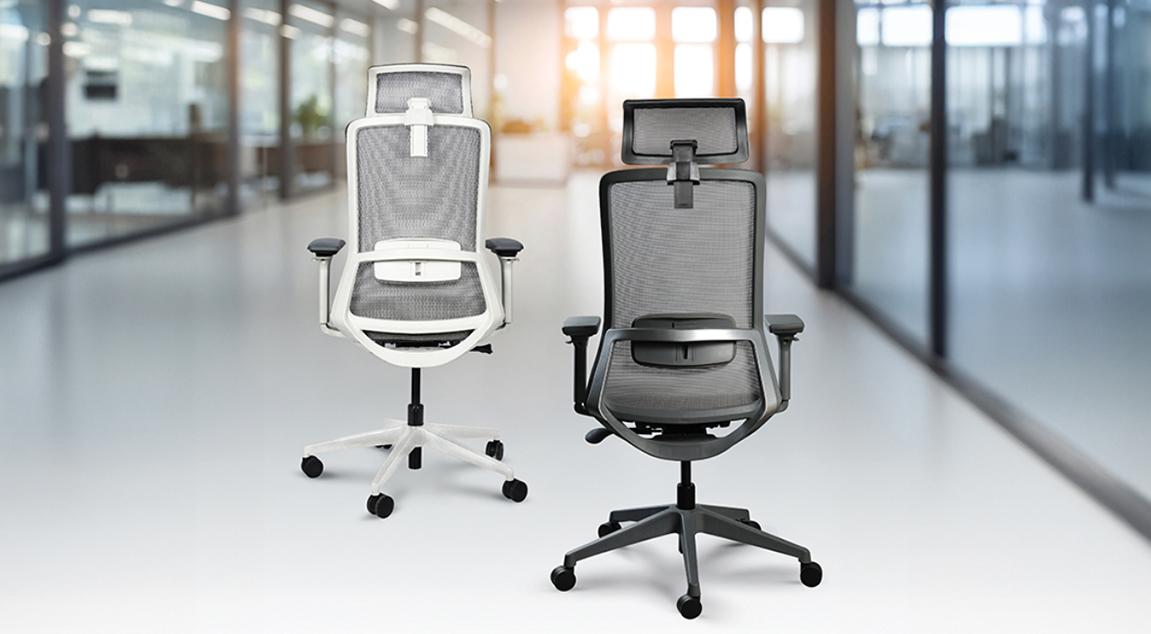
Table of Contents
|
The home office chair quietly carries you through early morning emails, afternoon video marathons, and those deadline-driven evening sessions. It witnesses your focused moments, supports your thinking posture, and adapts as you shift between tasks. The best office chair for work from home does all this without demanding attention—until the day a lesser chair leaves you rubbing your lower back or stretching out neck kinks. The truth about remote work comfort lies in understanding how proper seating supports your body's natural alignment. This guide walks you through choosing seating that works as hard as you do, protecting your posture while enhancing your daily productivity.
Indian homes transforming into productive workspaces marks one of the biggest workplace shifts lately. This goes beyond temporary setups; it's a fundamental rethink of professional life.
Gone are the days when working from home was occasional. Today's professionals manage complex projects and virtual teams from home offices boosted by the pandemic's ergonomic chair surge—dining chairs no longer cut it. Remote work demands more than a laptop: your chair supports 8-10 hours daily, crucial for comfort, health, and productivity. With hybrid schedules, pros expect home setups to match corporate standards.
Your work-from-home chair shapes your entire workday. Poor seating leads to slouching, fatigue, discomfort, disrupted focus, and chronic pain that hampers performance. An ergonomic office chair acts as an invisible ally, supporting natural body mechanics to minimize disruptions like frequent adjustments or standing breaks. Studies show employees using ergonomic chairs report 84% better back and neck health, with 15-20% productivity gains.
The connection between your chair and your health runs deeper than preventing occasional discomfort. Understanding this relationship helps you make informed choices that benefit your body for years to come.
Dr. Jahnavi Acharya, a physiotherapist, notes that sitting in the same position for extended periods exerts excessive stress on your spine. This explains why even comfortable chairs become problematic without ergonomic design; your spine's natural S-shape needs alignment and movement.
The best home office chair meets multiple needs: lumbar support prevents lower back flattening and disc pressure; adjustable armrests relax shoulders to avoid upper back tension; seat depth ensures thigh support without restricting circulation. These features adapt to your body, not vice versa.
Proper seating does more than prevent pain—ergonomic chairs reduce musculoskeletal stress by 42%. This yields daily gains: fewer headaches from neck strain, better breathing via improved posture, and steady energy levels. Quality seating boosts circulation and metabolism too. These chairs feature backrests that support your spine's natural curve fully, often with reclining beyond 90 degrees to enhance blood flow on long shifts. Top models encourage position changes, avoiding a rigid "correct" posture.
|
Health Benefit |
Standard Chair Impact |
Ergonomic Chair Advantage |
|---|---|---|
|
Spinal Alignment |
Forces unnatural posture |
Maintains natural S-curve |
|
Muscle Fatigue |
Increases throughout the day |
Reduces by distributing support |
|
Circulation |
Restricts blood flow |
Promotes healthy circulation |
|
Energy Levels |
Depletes due to discomfort |
Sustains through proper support |
|
Focus Duration |
Interrupted by position shifts |
Extended through comfort |
Understanding which features genuinely matter helps you navigate the overwhelming array of options in today's market. Excellence in home office seating comes from thoughtful integration of multiple support systems.
The best office chair for work from home recognizes that comfort is deeply personal, as ideal sitting positions differ from one person's to another's, making comprehensive adjustability non-negotiable. Spine curvature varies individually, so adjustable lumbar support is essential. This extends beyond basic height adjustment to multiple customization points.
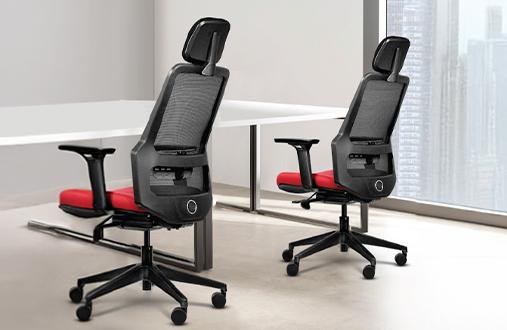
Essential features include seat height for desk alignment, backrest tilt for varied positions, armrest height and width for shoulder comfort, lumbar depth and height for targeted back support, and seat depth for thigh support. Premium models add headrest adjustment and synchronized tilt mechanisms that maintain proper angles when reclining. Wipro's ergonomic office solutions exemplify this with multiple intuitive adjustment points for perfect positioning.
The best home office chair includes smart support systems that adjust to your motions, prioritizing dynamic over fixed positioning. Ideal office chairs ensure correct posture: thighs level with the floor, feet flat, forearms at desk height, and spine straight yet naturally curved. This setup avoids strain and permits natural shifts.
Key support features that enhance your work-from-home experience:
• Lumbar Support: Adaptive systems that maintain lower back curve
• Seat Cushioning: High-density foam that retains shape over years
• Backrest Design: Flexible support that moves with you
• Armrest Padding: Soft yet supportive surfaces for extended use
• Base Stability: Five-point bases with smooth-rolling casters
Your work patterns, space constraints, and personal preferences all influence which chair design serves you best. Understanding these categories helps narrow your search effectively.
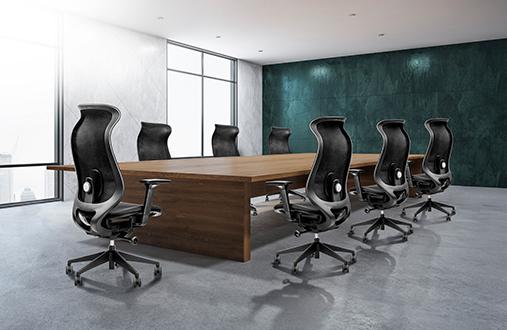
For workdays exceeding eight hours, opt for endurance-designed seating like Wipro's Immerse high-back executive chair. They offer full support from lower back to shoulders and neck, with robust lumbar systems, ample cushioning, and multiple recline positions for posture shifts. Key features include high backrests, superior mesh backrests, 135° tilt capability, and multi-tilt lock mechanisms. Premium synchronized tilt mechanisms preserve spine alignment during reclines and thinking breaks, cutting fatigue for sustained comfort on long days.
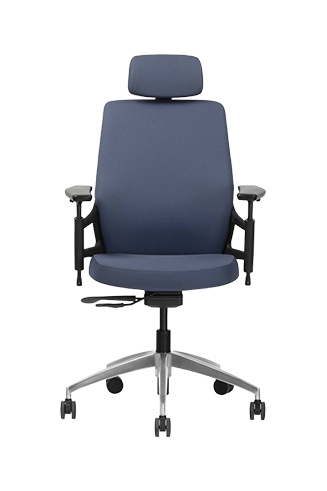
Balancing home and office seating demands a chair like Wipro's Adapt with professional support that fits home aesthetics. Mid-back task chairs strike the ideal balance, delivering key ergonomics in a compact, versatile form. Features like breathable mesh backs, 2D adjustable armrests, and 360° rotation adapt to various scenarios. Their lighter visual weight suits multipurpose spaces, the quality build endures daily use, and easy height adjustment accommodates shared family workspaces.
Creative professionals alternate intense focus and collaborative brainstorming; your chairs must support this without limiting movement. Ergonomic chairs like Wipro's Entity with flexible backrests and intuitive controls enable seamless shifts from upright concentration to relaxed ideation. Seek responsive tilt mechanisms, breathable materials for coolness during intense work, and swing-away armrests for freedom. The best home office chair for creatives balances support with flexibility.
Your home's climate significantly influences which materials will keep you comfortable through seasons and workdays. Smart material choices ensure year-round comfort while extending your chair's lifespan.
Indoor temperatures fluctuate more than in climate-controlled offices, making breathability crucial for home office comfort. Mesh back chairs excel at air circulation, keeping you cool even in hot weather. This ventilation becomes particularly valuable during power cuts or when minimizing air conditioning use.
Material considerations extend beyond the backrest. Seat cushions with breathable fabric covers prevent heat buildup during extended sitting. Some advanced designs incorporate perforated leather or specialized mesh seat pans that balance support with airflow. For homes without consistent climate control, these features transform from luxury to necessity.
Comparing Materials for Indian Climate:
|
Material Type |
Best For |
Considerations |
|---|---|---|
|
Mesh Back |
Year-round comfort, warm climates |
Excellent airflow, easy maintenance |
|
Cushioned Fabric |
AC environments, cooler regions |
Softer feel, requires more care |
|
Leather/Leatherette |
Executive feel, controlled climates |
Professional appearance, less breathable |
|
Hybrid Designs |
Versatile use |
Combines a mesh back with a cushioned seat |
Monsoon humidity, summer heat, and winter temperature variations test furniture differently than controlled office environments. The best office chair for work from home uses materials that withstand these challenges while maintaining comfort and appearance. Look for powder-coated metal frames that resist corrosion, moisture-resistant cushion cores, and quality casters designed for both hard floors and carpets common in Indian homes.
Even the finest chair needs proper setup to deliver its full benefits. Your workspace ergonomics create a system where each element supports the others.
The best home office chair makes adjustments intuitive with reachable controls. However, perfect positioning may need minor tweaks as you adapt. Some of the adjustments include:
Set seat height so feet rest flat on the floor with thighs parallel to the ground.
Adjust lumbar support to fill your lower back's natural curve without pushing you forward.
Position armrests for relaxed shoulders and elbows at roughly 90 degrees.
Test the chair if possible to check comfort and support before final tweaks.
Align your monitor at eye level to avoid neck strain.
Your chair anchors a broader wellness ecosystem. Position your desk for maximum natural light without screen glare, keep frequent items within easy reach to avoid stretching, and add a footrest if desk height leaves feet dangling. Though AI-powered chairs are premium, mindful setup yields gains: set position-shift reminders, take standing breaks, and recline during calls.
|
Design Wisdom: Movement Matters Quality ergonomic chairs don't trap you in one position. They encourage natural movement—leaning back for thinking, sitting upright for typing, and shifting for comfort. This flexibility keeps your body engaged and mind fresh throughout your workday. |
Your chair is an investment in daily well-being and long-term health, delivering dividends through comfortable hours, productive days, and pain-free evenings. Poor seating incurs high costs: medical bills for back treatment, lost productivity from discomfort, and chronic pain's toll on life quality while ergonomic seating offers long-term value in health, comfort, and productivity. Over its lifespan, a quality chair costs less per day than daily coffee.
The best office chair for work from home adapts to evolving needs: adjustability for changing work patterns and ergonomic support for bodily shifts over years. It accompanies your remote journey, aiding career growth while safeguarding health. Balance features, budget, and needs for informed choices, and prioritize essentials matching your needs over every premium feature. Explore Wipro's Work From Home seating solutions for chairs prioritizing comfort, health, and productivity.
The best office chair for work from home combines adjustable lumbar support, breathable materials, proper cushioning, and a movement-friendly design. It should adapt to your body while encouraging healthy posture throughout extended work sessions.
Quality ergonomic chairs start from Rs. 10,000 for reliable mid-range options. Consider daily use over 7-10 years; for instance, a Rs. 20,000 chair equals just Rs. 7-8 per day over seven years.
Mesh back chairs excel in warm climates with superior airflow and easy maintenance while cushioned chairs suit air-conditioned spaces. Many find mesh-back chairs with cushioned seats offering the best home office chair compromise.
A proper fit entails that your feet are flat on the floor, your thighs are parallel to the ground, lumbar support fills the lower back curve, and armrests allow relaxed shoulders. You should sit comfortably without strain or pressure points.
Yes, a good office chair can boost productivity by reducing discomfort, requiring fewer position adjustments, improving focus, and sustaining energy levels throughout your workday.
Quality ergonomic chairs typically last 7-10 years with proper care. Premium models can extend to 12-15 years. Replace when adjustment mechanisms fail, cushioning compresses permanently, or support diminishes noticeably.