


Search Here
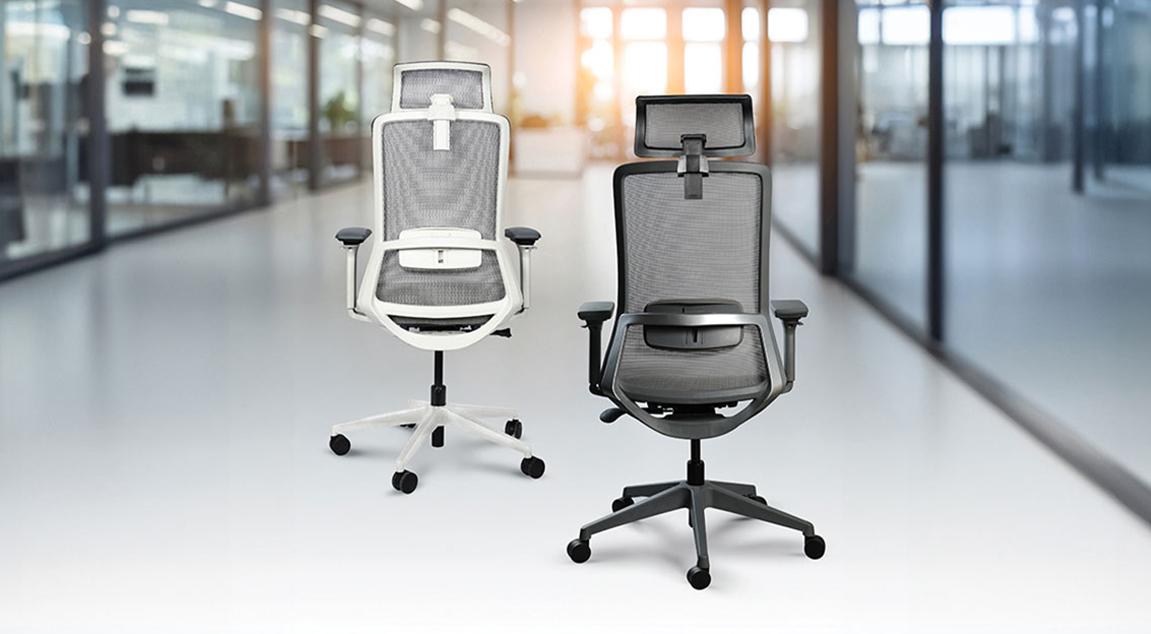
Table of Contents
|
This daily struggle with office seating comfort affects millions of professionals, quietly draining productivity one uncomfortable hour at a time. Understanding how seating impacts work performance—and knowing what to do about it—can transform the entire workday experience.
The relationship between an office chair and productivity runs deeper than simple comfort. When seating fails to support the body properly, it triggers a complex chain reaction that affects everything from focus to creativity.
Physical discomfort acts as a persistent mental distraction, pulling cognitive resources away from actual work. Studies show that workplace discomfort directly correlates with lower productivity levels, as the brain struggles to maintain focus while managing pain signals. Frequent changes in posture, stretching, or applying pressure to sore areas disrupt workflow and reduce concentration levels.
The numbers paint a stark picture. Research indicates that employees using an ergonomic chair showcase up to 17.5% more productivity, less absenteeism and lesser health concerns. This means that in an eight-hour workday, more than two hours of productive time may be lost due to inadequate ergonomic support from the chair.
Poor seating creates a domino effect that extends far beyond immediate discomfort. When an employee sits on an unsupportive chair, the muscles work overtime to maintain stability, leading to faster fatigue. This physical exhaustion translates into mental tiredness, reducing the ability to think clearly and solve problems creatively.
|
Impact Area |
Short-term Effects |
Long-term Consequences |
|---|---|---|
|
Physical |
Muscle tension, pain |
Chronic MSDs, posture issues |
|
Mental |
Reduced focus, irritability |
Burnout, decreased motivation |
|
Productivity |
Task interruptions |
Missed deadlines, quality drops |
|
Wellbeing |
Daily discomfort |
Stress, job dissatisfaction |
Understanding what constitutes poor seating helps identify problems before they impact work. Many chairs look professional but lack the fundamental design elements needed to support human bodies through long work sessions.
The most problematic chairs share several key design failures. Fixed backrests force the spine into unnatural positions, while inadequate lumbar support leaves the lower back unsupported during crucial work hours. Non-adjustable armrests push the shoulders into awkward angles, creating tension that radiates through the neck and upper back.
Material choices also play a crucial role. Chairs with poor cushioning compress over time, making the surface hard, which restricts blood flow. Non-breathable fabrics trap heat and moisture, which is especially challenging during warmer months or in offices where air conditioning struggles to maintain comfortable temperatures. These seemingly minor issues compound throughout the day, transforming manageable tasks into exhausting ordeals.
The Wipro Absolute chair addresses these issues through thoughtful engineering. It features broad lumbar support and 4D adjustable armrests that adapt to a full range of seating preferences. Its automatic weight-sensing mechanism adjusts to different body types, maintaining consistent ergonomic alignment. The Aeroflo mesh design enhances ventilation, effectively dissipating heat and ensuring comfort even during hot and humid days—making it a true example of performance-orientated ergonomic design.
Identifying a productivity-draining chair requires paying attention to the body's signals. Frequent posture adjustments, leg numbness, or recurring afternoon headaches indicate that the chair is not providing adequate support.
Key warning signs of an unsupportive chair include:
Slouching starts to occur within 30 minutes of sitting.
Lower back discomfort develops during routine desk work.
Shoulder or neck tension increases despite efforts to stay relaxed.
Legs feel restless or show signs of restricted circulation.
Noticeable drops in energy or focus appear during seated tasks.
The body communicates clearly when seating fails to meet its needs. Learning to recognise these signals early helps prevent long-term productivity losses and health complications.
The connection between seating and productivity isn't just anecdotal—it's rooted in solid biomechanical science. Understanding these principles helps explain why some chairs energise every workday while others leave individuals drained.
Extended sitting in poorly designed chairs triggers multiple physiological responses. Static postures restrict blood flow, leading to plaque buildup in arteries and increased cardiovascular risks. The hip flexors tighten, pulling on the lower back and creating that all-too-familiar lumbar pain.
Much peer-reviewed research reveals alarming patterns. Studies show that 79% of women in the 20-50 age group experience spinal pain. These issues are often associated with extended work hours during the early stages of employment. Inadequate seating increases the strain on muscles and joints by maintaining positions beyond natural ranges, resulting in chronic pain and decreased work capacity.
Seating posture directly impacts mental performance through several pathways. Poor posture restricts lung capacity and blood flow to the brain, reducing oxygenation and accelerating fatigue. This becomes especially problematic during demanding tasks requiring strategic thinking or creative problem-solving.
|
Design Insight: The Mind-Body Workspace Connection Awkward postures don't just cause physical strain—they restrict blood flow and increase stress hormones, leading to declines in memory, problem-solving ability, and creative thinking. Over time, this contributes to burnout and damages workplace motivation. |
Creating a productivity-enhancing workspace starts with understanding what constitutes effective seating design. Modern ergonomic principles focus on supporting natural movement while maintaining proper alignment throughout the workday.
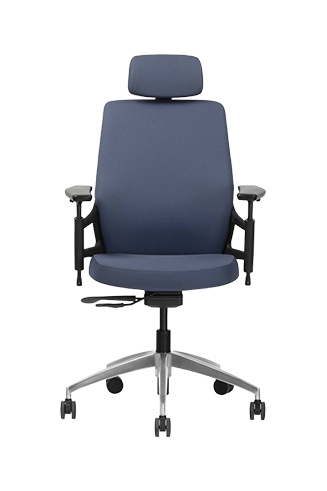
True ergonomic support goes beyond marketing buzzwords to address fundamental human needs. Adjustable lumbar support plays a critical role by aligning with the spine’s natural curve and reducing strain on the lower back muscles. Quality ergonomic chairs incorporate multiple adjustment points to accommodate diverse body types and work styles. The Wipro I'm Pro chair exemplifies this philosophy, featuring a contoured back and height adjustable headrest. The Automatic Weight Sensing Mechanism also helps it easily adjust to varying body types.
Key features that enhance productivity include:
• Dynamic recline mechanisms that encourage movement
• Breathable materials for temperature regulation
• Seat depth adjustment to support proper leg positioning
• Synchronised tilt linking seat and backrest movement
• Durable construction meeting BIFMA standards for long-term reliability
Adjustability transforms a static seat into a dynamic workspace partner. Human bodies vary significantly—a chair perfect for someone in the 95th percentile (a body size that 95% of the population is equal to) will be unusable for someone in the 5th percentile (a body size that only 5% of the population is equal to). Proper adjustment ranges accommodate this diversity, ensuring comfortable support regardless of your body type.
The ability to modify seating throughout the day also supports natural postural variation. Changing positions shifts sitting loads to different body parts, allowing recovery from extended static postures. This movement-friendly approach maintains energy levels and prevents the fatigue associated with rigid seating positions.
Improving workplace seating requires both immediate actions and long-term thinking. While quick fixes provide temporary relief, sustainable productivity gains come from comprehensive ergonomic solutions.
Temporary solutions like cushions or lumbar rolls offer immediate relief but rarely address underlying design problems. These band-aid approaches often shift problems rather than solving them, creating new pressure points or postural compensations. Office guest chairs in meeting rooms particularly suffer from this quick-fix mentality, with add-on solutions failing to provide adequate support during lengthy discussions.
Long-term solutions focus on comprehensive seating systems designed for sustained use. Quality seating solutions represent this investment mindset—chairs engineered to maintain comfort and support through years of daily use. Quality seating that endures a high number of recline cycles in testing translates to reliable support throughout its service life.
The Wipro Adapt chair series embodies this principle with designs that balance ergonomics, versatility, and durability. Available in options ranging from executive task chairs to visitor seating, each model features a contoured backrest that aligns naturally with the spine, promoting sustained comfort. Adjustable armrests allow precise positioning to accommodate various body types and work preferences. Built for long-term reliability, the Adapt series offers enduring support and performance, making it a practical choice for dynamic office environments.
While waiting for ideal seating solutions, several strategies can improve an existing setup. Regular movement breaks every 30-45 minutes help counteract static posture effects. Simple desk exercises, standing phone calls, and walking meetings introduce variety into your routine.
Workspace arrangement also impacts seating effectiveness:
|
Adjustment |
Purpose |
Productivity Impact |
|---|---|---|
|
Monitor height |
Reduces neck strain |
Prevents headaches, improves focus |
|
Keyboard position |
Supports neutral wrists |
Reduces fatigue, maintains typing speed |
|
Foot support |
Improves circulation |
Increases comfort, reduces restlessness |
|
Lighting angle |
Minimises glare |
Reduces eye strain, maintains energy |
Poor office seating creates an invisible drain on your daily performance, but understanding this connection empowers positive change. From the cascade of physical discomfort affecting mental focus to the science linking posture with cognitive function, the evidence clearly shows how seating shapes your work experience.
Taking action doesn't require dramatic overhauls. Start by assessing the current setup, identifying pain points, and implementing targeted improvements. Whether through adjustments, ergonomic accessories, or investing in quality seating designed for long-term support, every positive change contributes to sustained productivity. Explore Wipro's ergonomic seating solutions to discover how thoughtful design can support your comfort, health, and daily performance.
Poor office seating creates physical discomfort that persistently distracts the mind from tasks. Studies show this can reduce work output by a considerable amount through constant position adjustments, pain management, and mental fatigue from fighting discomfort.
An ergonomic desk chair should offer adjustable lumbar support, multiple height settings, breathable materials, and dynamic recline mechanisms. These features work together to support natural posture variations and reduce strain during extended work periods.
Office guest chairs deserve evaluation every 2-3 years or when employees report discomfort. Meeting room seating significantly impacts collaboration quality, making regular assessment crucial for maintaining productive discussions and preventing visitor discomfort.
Yes, ergonomic seating improvements show measurable returns through reduced absenteeism and increased engagement. Better seating supports both individual and organisational productivity.
Watch for persistent lower back pain, shoulder tension, numbness in legs, afternoon energy crashes, and involuntary slouching. These symptoms suggest an office seating arrangement no longer provides adequate support for productive work.
Remote workers often face unique challenges with office seating, including limited adjustment knowledge and budget constraints. However, the productivity impacts remain similar, making ergonomic considerations equally important for home office setups.