


Search Here
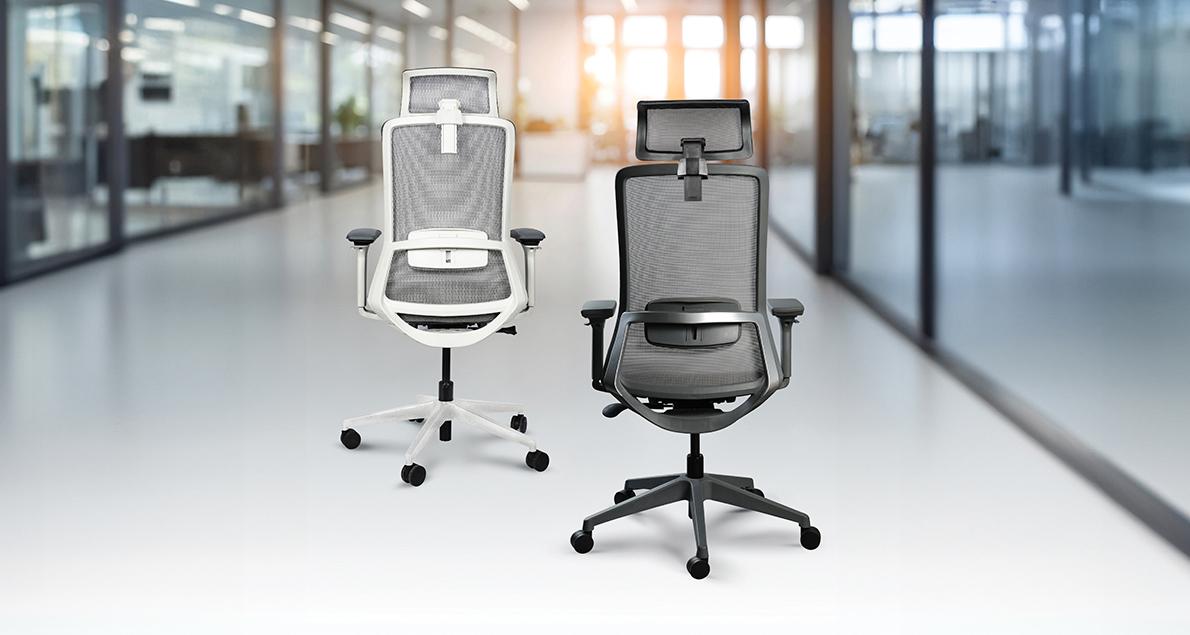
Table of Contents
|
Overview
Small offices demand thoughtful design to balance practical needs while reflecting on brand culture. The right small office design ideas transform cramped quarters into productive sanctuaries where creativity flows freely. Smart furniture choices, vertical storage solutions, and strategic zoning create workspaces that feel spacious despite square footage limitations. By understanding how colour, light, and materials influence perception, office spaces can be crafted to inspire rather than restrict. This guide reveals how thoughtful design turns spatial constraints into opportunities for innovation. |
Offices are dynamic spaces where ideas evolve, from early morning brainstorming to the push of late-night deadlines. Every square foot becomes crucial when space is limited, particularly in dense metro areas where real estate costs remain high.
The challenge isn't just about fitting everything in. It's about creating an environment that energises rather than constrains; supports rather than stifles. In this guide, you'll discover how thoughtful small office interior design ideas transform limited square footage into limitless potential.
The foundation of effective small office design ideas lies in shifting perspective. Instead of focusing on what is lacking, consider how each element can serve multiple purposes while maintaining aesthetic appeal.
Studies show that 60% of Indian IT and office workers report discomfort from prolonged sitting, making ergonomic considerations crucial even in compact spaces. The right approach combines smart space utilisation with wellness-focused design. This can be initiated by mapping out the daily workflow: where do employees spend most time? Which tasks require deep focus versus collaboration? Understanding these patterns helps prioritise spatial allocation. Remember that a cluttered environment restricts both movement and thinking, while organised spaces promote clarity and productivity.
Consider the Japanese concept of 'ma' – the purposeful use of negative space. Empty areas aren't wasted; they provide visual breathing room that prevents small offices from feeling claustrophobic. This philosophy transforms constraint into intention, making every design choice deliberate rather than desperate.
The difference between a cramped workspace and an efficient haven often comes down to furniture choices. Each piece must earn its place through versatility, comfort, and spatial efficiency.
Corner configurations capitalise on typically underused space while providing generous work surfaces. These designs free up the central floor area for movement while keeping everything within arm's reach. For instance, L-shaped desks offer distinct zones for computer work and paperwork without requiring separate furniture pieces.
The beauty of corner solutions extends beyond mere space-saving. They create natural boundaries between different work modes – one side for focused tasks, another for creative pursuits or video calls. This subtle separation enhances productivity by supporting the brain's tendency to associate specific spaces with particular activities. Modern corner desks often incorporate built-in cable management and storage, further reducing clutter.
Modern office design ideas for small spaces increasingly feature furniture with wheels, adjustable heights, and collapsible elements. For instance, a mobile storage unit doubles as a standing desk support in the morning and tucks under the main desk by afternoon while nesting chairs accommodate occasional visitors without a permanent floor commitment. This adaptability proves especially valuable for hybrid workers who shift between solo focus time and virtual team meetings.
|
Furniture Type |
Space-Saving Feature |
Productivity Benefit |
|---|---|---|
|
Adjustable Desks |
Transition between sitting/standing |
Reduces fatigue, improves circulation |
|
Mobile Storage |
Rolls when needed, hides when not |
Keeps essentials close during tasks |
|
Nesting Seating |
Stacks or slides together |
Accommodates guests without permanent footprint |
|
Wall-Mounted Desks |
Folds flat against the wall |
Creates multipurpose room functionality |
When floor space runs short, walls become your greatest ally. Vertical storage doesn't just organise – it draws the eye upward, creating an illusion of height and spaciousness.
Floor-to-ceiling shelving systems transform blank walls into organisational powerhouses. Open shelving keeps frequently used items visible and accessible, while closed cabinets hide less attractive necessities. The key lies in maintaining visual balance – too much open storage creates chaos, while all closed storage feels heavy.
Strategic placement matters as much as the storage itself. Position everyday items at eye level and arm's reach, relegating occasional-use materials higher. This ergonomic approach prevents strain while maximising every vertical inch. An example of this is floating shelves, which offer elegance by creating storage without the visual weight of traditional bookcases. Their minimal brackets and adjustable positioning accommodate changing needs over time.
The ceiling represents your final frontier in small office design, but reaching too high creates its own challenges. The sweet spot balances maximum storage with practical accessibility.
Install high shelves for archived materials, seasonal items, or decorative elements that enhance ambience without requiring regular access while middle zones should house reference materials and supplies used weekly. Moreover, research on ergonomics shows that neutral body positions reduce strain, so the items used most often should sit within a natural, comfortable reach.
|
Design Insight: The Rule of Thirds Divide your wall into three horizontal zones. The bottom third handles daily essentials, the middle third serves weekly needs, and the top third stores monthly or seasonal items. This approach maintains both efficiency and ergonomic safety. |
Visual perception plays a powerful role in how spacious an office feels, regardless of actual square footage. The right design choices create expansion beyond physical boundaries.
Natural light transforms small spaces more effectively than any other single element. It reduces eye strain, boosts mood, and creates connections to the outside world that prevent feelings of confinement. So, it makes sense to position the primary workspace near windows when possible, using sheer curtains to control glare without blocking light entirely.
Neutral palettes in whites, soft greys, and warm beiges reflect light while providing a calm backdrop for focused work. This doesn't mean avoiding colour entirely – strategic pops through artwork, cushions, or desk accessories inject personality without overwhelming. For computer professionals who are especially prone to musculoskeletal issues, calmer colour schemes and gentle contrasts create a visual environment that encourages micro‑breaks and recovery between demanding tasks.
Task lighting deserves special attention in small offices. Desk lamps with adjustable arms direct light precisely where needed without illuminating the entire space. This targeted approach creates intimate work zones while conserving energy and reducing eye fatigue during long sessions.
Material selection impacts both aesthetic appeal and spatial perception. Glass, acrylic, and mesh create transparency that maintains sightlines across the office. For instance, a glass-top desk feels airier than wood, while mesh chair backs reduce visual bulk compared to solid upholstery.
Reflective surfaces multiply light and create depth perception. A strategically placed mirror doubles visual space while bouncing natural light deeper into the room. Metallic finishes on frames, handles, or desk accessories add sophistication while contributing to this light-enhancing effect. However, balance remains crucial – too many reflective surfaces create glare and distraction.
It's also important to consider how materials interact with the climate. Breathable fabrics and moisture-wicking surfaces prove essential during humid months, while sealed wood and easy-clean laminates handle monsoon challenges. Wipro's task zone seating solutions feature materials selected specifically for Indian climate conditions, ensuring comfort across seasons.
Open layouts maximise small spaces, but undefined areas blur boundaries between different work modes. However, smart zoning creates functional districts without physical barriers.
Different flooring materials subtly signal transitions: a small rug under a reading chair creates a contemplation corner, while smooth flooring in the work area aids chair mobility. These textural shifts guide movement without consuming space.
Lighting defines zones effectively too. Bright, focused light over the desk signals work mode, while a softer ambient glow in the corners fosters relaxation for calls or thinking. On the other hand, cooler whites boost alertness while warmer tones invite calm.
When considering furniture, think about how it forms natural boundaries. For instance, a perpendicular bookshelf divides while preserving flow, low units separate at eye level, and angled desks create psychological work-rest zones.
Flooring is among the most effective small office interior design ideas for creating distinct zones without sacrificing openness. Different materials, colours, or patterns signal purpose shifts that your brain automatically recognises.
Vinyl planks in wood tones warm up primary work areas while remaining practical for chair movement. Alternatively, carpet tiles in a meeting corner absorb sound and create comfort for longer discussions. This material shift happens at floor level, preserving precious vertical space while clearly delineating function.
Budget-conscious solutions include area rugs that define spaces temporarily. They're particularly useful for renters or those experimenting with layouts before committing to permanent changes. Choose low-pile options that won't impede chair wheels, with non-slip backing for safety. Remember that patterns should complement rather than compete with your overall design scheme.
The most successful small office spaces never sacrifice comfort for aesthetics or vice versa. True design excellence emerges when both priorities merge seamlessly.
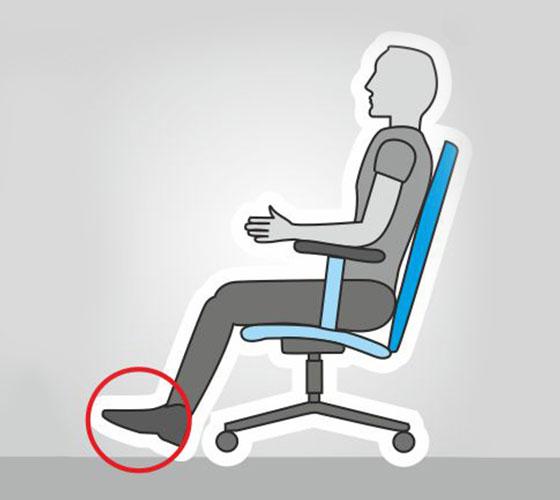
Ergonomic requirements don't shrink with office size. Considering that poor posture affects more than 60% of Indian office workers, proper seating becomes crucial regardless of spatial constraints. The right chair prevents long-term health issues while enhancing daily comfort and productivity.
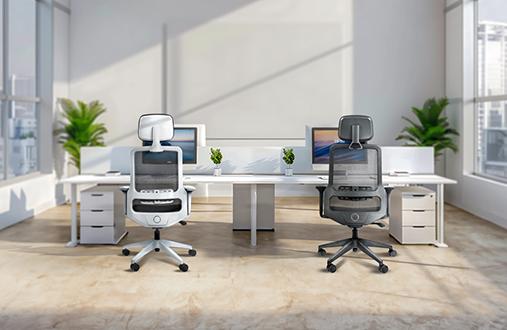
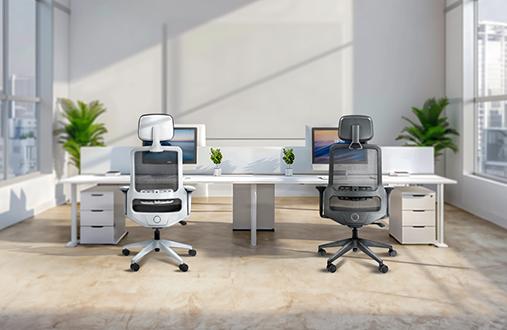
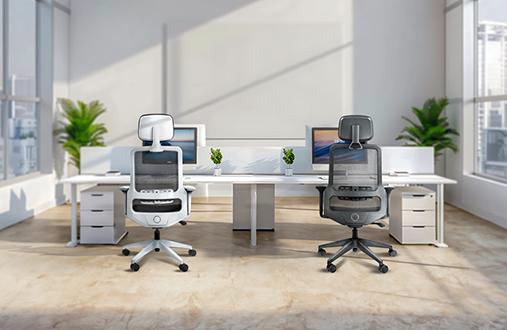
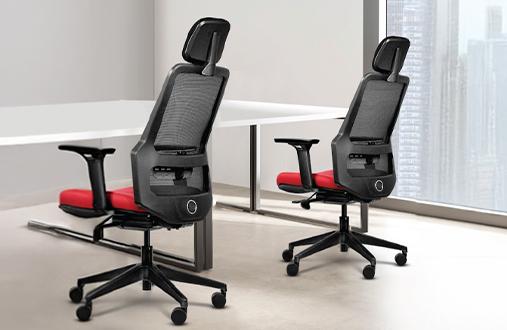
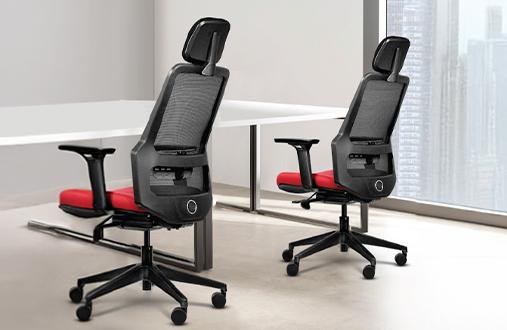
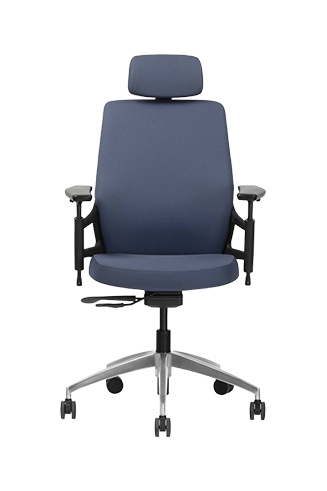
Look for chairs with smaller footprints but full adjustability. Seat depth, height, lumbar support, and armrest positions all require customisation to match your body. Wipro's collection of Task Zone chairs demonstrates how compact design can still prioritise spinal support and movement freedom.
Don't overlook keyboard and monitor positioning either. Adjustable monitor arms free up desk surface while enabling proper eye-level placement. Keyboard trays that slide under the desk when not needed maximise usable space. These ergonomic tools prevent the neck and wrist strain that accumulates during long work sessions.
Certain elements remain essential regardless of square footage limitations. Compromising these fundamentals leads to discomfort, reduced productivity, and potential health issues.
Proper ventilation tops the list, especially in compact spaces where air can quickly become stale. Ceiling fans or small desk fans maintain airflow when windows aren't sufficient while plants add oxygen and serve as natural design elements that soften hard edges and bring life to sterile environments.
Additionally, temperature control matters more in small spaces where body heat accumulates faster. Individual climate control prevents the afternoon sluggishness that derails productivity. Even simple solutions like bamboo blinds or thermal curtains help regulate temperature while adding design interest.
Essential comfort elements for any small office and small office cabin design ideas:
Adjustable task lighting to prevent eye strain
Lumbar support that adapts to your spine's curve
Adequate electrical outlets positioned to minimise cord clutter
Sound management through soft furnishings or white noise
Personal touches that make the space truly yours
Small office design ideas can transform a modest space into a productivity powerhouse. By thinking vertically, choosing multipurpose furniture, and creating zones through design rather than walls, these strategies prove that size doesn't determine success. The key lies in intentional choices that serve both immediate needs and long-term well-being. Remember that the best small office designs evolve over time. Start with essentials, then refine based on what actually enhances your workday.
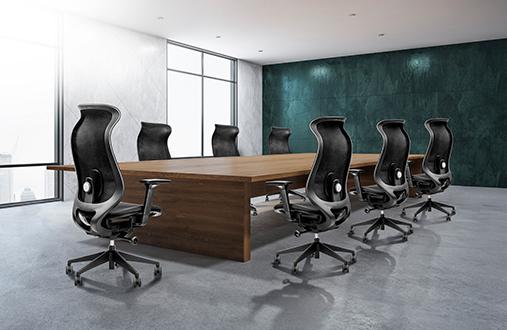
Explore Wipro's Task Zone series of chairs for executive seating that combine compact elegance with ergonomic excellence, proving that professional comfort never requires compromise.
Focus on ergonomic seating, adequate lighting, and clear zones for different tasks. Use vertical storage, corner desks, and modular furniture that adapts throughout your workday. Moreover, natural light and organised spaces significantly boost focus and efficiency.
A functional office requires a minimum of 50-70 square feet per person, though creative design makes smaller spaces work. Modern office design ideas for small spaces emphasise vertical storage and multipurpose furniture to maximise every square foot effectively.
Light, neutral colours like soft whites, pale greys, and warm beiges reflect light and create visual expansion. Inject personality through colourful accents in artwork or accessories rather than overwhelming wall colours that close in space.
Wall-mounted shelves, under-desk drawers, and vertical filing systems maximise storage without consuming floor space. Choose closed storage for visual calm and open shelving for frequently accessed items.
Prioritise an ergonomic chair with full adjustability, a desk sized for your tasks, adequate lighting, and modular storage. Each piece should serve multiple purposes while maintaining comfort and supporting healthy work postures throughout extended use.
Use different flooring textures, lighting temperatures, or furniture arrangements to define zones. A rug under a reading chair or an angled desk placement creates psychological boundaries without walls, supporting focus for different task types.
Avoid oversized furniture, poor lighting, inadequate ventilation, and ignoring ergonomics for style. Don't block natural light sources or create mazes with furniture placement. Resist cluttering surfaces that make spaces feel smaller and more chaotic.