


Search Here
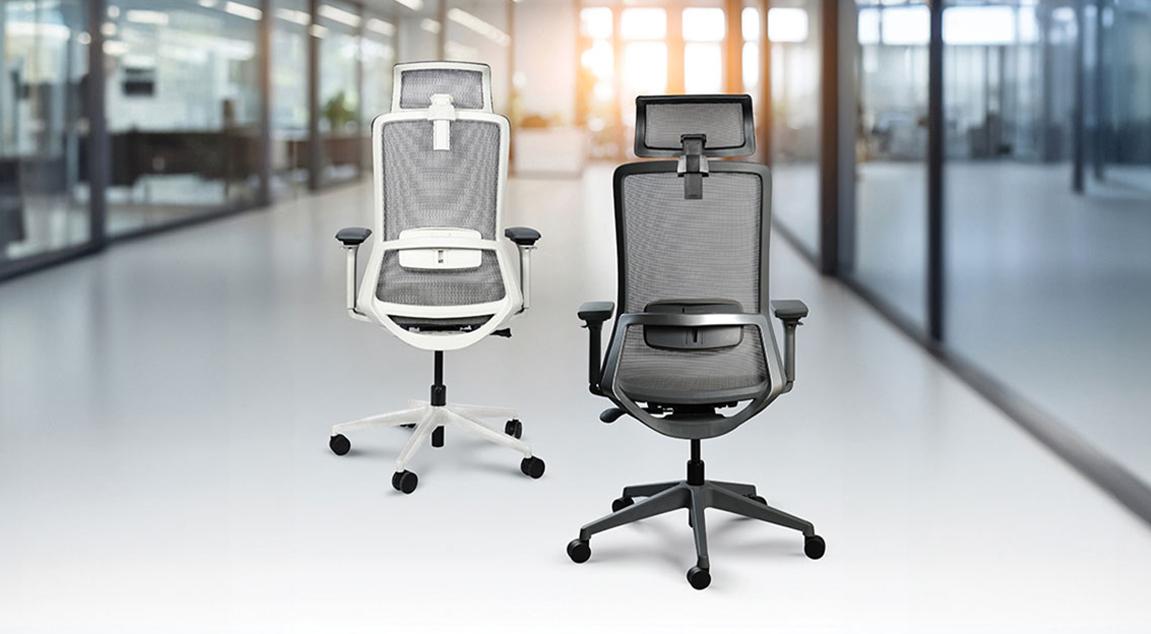
Table of Contents
|
Every employee settles into a desk chair on Monday morning, shifting to find that sweet spot of comfort. Whether coding at a start-up or managing projects in a corporate tower, that chair supports the body through intense focus sessions, collaborative meetings, and afternoon energy dips.
The truth is, how to choose office chairs depends heavily on the workplace culture and growth stage. What works for a nimble start-up differs from corporate requirements, yet both need chairs that genuinely support their teams' wellbeing and productivity.
Every workplace breathes its own rhythm. Start-ups pulse with rapid changes and informal collaboration, while corporate offices maintain structured patterns and established hierarchies. The seating choices need to match these distinct energies while supporting the humans who bring them to life.
Start-up environments demand furniture that moves as quickly as the teams do. Chairs that accommodate different users throughout the day, support varied work styles from coding marathons to brainstorming sessions, and stretch budgets without compromising comfort are the most needed. Research shows that start-ups need ergonomic chairs that balance affordability with comfort, reflecting the unique challenges of emerging businesses.
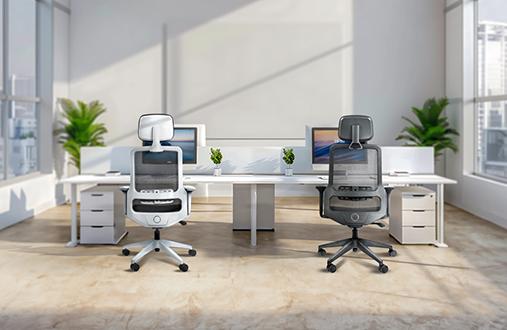
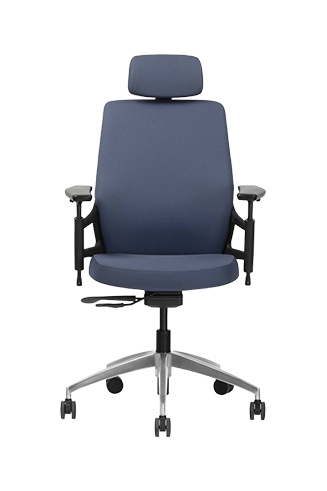
The dynamic nature of start-up work means a team might reconfigure spaces weekly, host impromptu meetings anywhere, and scale from five to fifty people within months. The chairs need to support this flexibility through lightweight construction, easy mobility, and universal adjustability. Products like the Wipro Adapt Chair effortlessly embody this principle and are designed to 'adapt' to different users. The Aeroflo seat design also enables better heat dissipation and weight distribution,
Corporate environments operate on different principles. Here, consistency matters as much as comfort. A company is furnishing for hundreds or thousands of employees who expect professional aesthetics alongside ergonomic support. Manufacturing processes need to support bulk deployment while maintaining quality standards across every unit.
The corporate approach emphasises durability and compliance. When investing in seating for established teams, an organisation needs chairs that meet regulatory standards, support extended daily use, and maintain their appearance through years of service. Design-led chairs help large workspaces feel curated rather than mass-produced, creating environments where employees feel valued and supported.
Budget considerations drive many seating decisions, but understanding value extends beyond initial price tags. Whether operating a bootstrapped start-up or overseeing corporate procurement, investment strategy influences long-term outcomes related to team comfort and productivity.
For resource-conscious start-ups, strategic chair procurement balances immediate needs with future growth. Mid-range chairs offering essential ergonomic features typically cost ₹12,000-₹22,000 per unit, providing the best value for daily use. These chairs deliver adjustable lumbar support, breathable materials, and durability without overwhelming limited budgets.
Smart procurement means prioritising where it matters most. Consider investing in premium seating for roles requiring extended desk time while supplementing with quality mid-range options for flexible spaces. As an organisation scales, bulk orders typically receive discounts from suppliers, making growth more affordable.
The price of inadequate seating extends far beyond furniture budgets. Across India's knowledge economy, more than 60% of IT and office workers report back pain associated with prolonged sitting. These statistics translate into real costs for both start-ups and corporations through reduced productivity, increased sick days, and higher employee turnover.
Consider the broader impact: neck (53.5%), lower back (53.2%) and shoulder (51.6%) symptoms are the most prevalent problems among office workers. For a 50-person start-up, proper ergonomic seating could save quite a bit in lost productivity and healthcare costs. Corporate environments see even greater returns, with wellness-focused companies achieving between 3 and 6 times the return on investment through reduced absenteeism.
Despite the different cultures and scales, start-ups and corporations share fundamental seating needs. Understanding these universal requirements helps answer how to choose work chairs that serve a team regardless of company size or growth stage.
The foundation of any good office chair lies in its adjustability. Every team member brings different height, posture, and work habits to the desk. Chairs that adapt to individual needs through customised comfort settings prevent the aches and strains that accumulate over long work days.
Key adjustments that make the biggest difference include:
|
Adjustment Feature |
Why It Matters |
Impact on Comfort |
|---|---|---|
|
Seat Height |
Aligns thighs parallel to floor |
Reduces leg strain and improves circulation |
|
Lumbar Support |
Maintains spine's natural curve |
Prevents slouching and lower back pressure |
|
Armrest Position |
Supports shoulders and elbows |
Minimises neck and shoulder tension |
|
Seat Depth |
Accommodates different leg lengths |
Ensures proper back support without knee pressure |
|
Tilt Tension |
Allows movement and position changes |
Encourages healthy shifting throughout the day |
The lower back carries tremendous responsibility during seated work. The lumbar region's natural inward curve needs consistent support to maintain healthy alignment. Without it, employees unconsciously slouch forward, creating cascading effects through the entire spine. Proper lumbar support fits the spine precisely, providing long-term comfort during extended work sessions.
Modern ergonomic design recognises that one size doesn't fit all. Adjustable lumbar systems allow each user to position support exactly where their spine needs it. Whether the user is a start-up founder pulling late nights or a corporate analyst managing quarterly reports, this personalised support reduces fatigue and helps maintain focus.
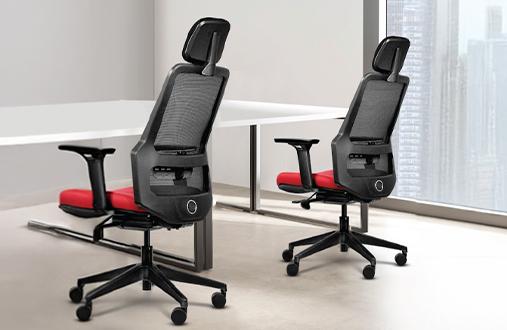
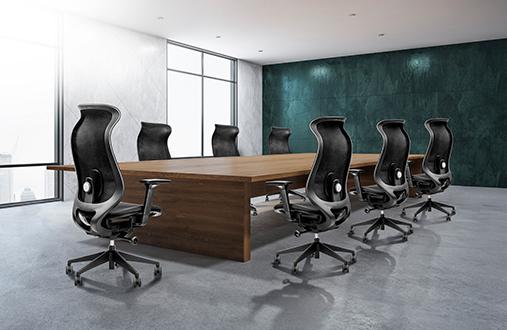
The Wipro Always Glo Chair comes equipped with Body Tracking Lumbar support which makes it multi-user-friendly regardless of body type. Additionally, the adjustable armrests and backrest height can enhance comfort on those never-ending weekdays.
Modern workplaces shift constantly. Teams grow, projects evolve, and work patterns change with technology and culture. Seating choices need to support this evolution while maintaining consistent comfort and a professional appearance.
Scaling furniture decisions requires thinking beyond current headcount. Start-ups especially face the challenge of furnishing for today while preparing for tomorrow's expansion. Planning for growth means selecting chairs with adjustable features that accommodate diverse body types and work styles.
|
Design Insight: Future-Proofing Your Seating Investment
Choose chairs with universal adjustability rather than sized options. Features like weight-activated mechanisms and automatic lumbar adjustment help chairs adapt to new users without manual reconfiguration. This flexibility proves invaluable during rapid team growth or office reorganisation. |
Corporate environments benefit from standardisation that still allows personalisation. Establishing seating standards across departments ensures consistency while adjustable features let individuals fine-tune comfort. This approach simplifies procurement, maintenance, and replacement while supporting diverse workforce needs.
Climate and environment significantly influence seating comfort. Indian offices face unique challenges from monsoon humidity to summer heat, requiring materials that breathe well and maintain hygiene. How to choose work chairs for Indian conditions means prioritising mesh backs for airflow, antimicrobial fabrics, and easy-maintenance surfaces.
Material selection impacts both immediate comfort and long-term durability:
Mesh Backs: Provide superior ventilation during warm months while maintaining professional appearance
High-Density Foam: Retains shape through extended use without becoming uncomfortable
Breathable Fabrics: Allow air circulation while resisting moisture absorption
Durable Frames: Withstand heavy use in shared workspaces without loosening or squeaking
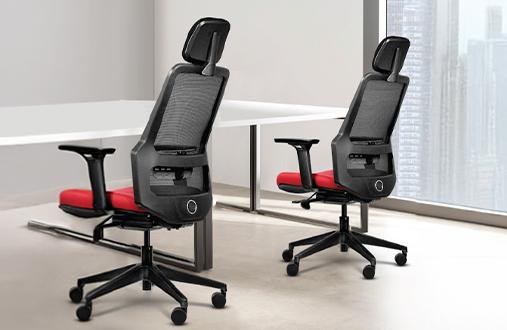
The Wipro It's Me Chair features a full mesh back which includes the headrest as well. This enables immediate relief from the Indian summer, which can cause much discomfort. Additionally, the automatic tension adjustment makes it perfect for different users throughout the day.
Making the right seating choice starts with understanding a company's unique context. Whether furnishing a start-up's first office or upgrading corporate workstations, this roadmap helps guide planners toward decisions that support a team's health and productivity.
For Start-ups:
Establish BIFMA-certified standards for consistency and compliance
Start with mid-range ergonomic chairs for primary workstations
Prioritise adjustability over aesthetics in early stages
Test 2-3 models with team members of different heights before bulk ordering
Plan for 30-40% growth when calculating initial quantities
Negotiate bulk discounts for bulk orders
For Corporate Offices:
Establish BIFMA-certified standards for consistency and compliance
Pilot 10-15 chairs across departments before large-scale deployment
Consider different models for different zones (executive, task, collaborative)
Build in 10% buffer stock for replacements and new hires
Partner with suppliers offering corporate warranties and maintenance
Testing remains crucial regardless of scale. Before committing to any model, have team members test chairs for a week. Pay attention to comfort throughout full work days, ease of adjustment, and how well chairs support different tasks from focused work to collaborative sessions.
|
Decision Factor |
Start-up Priority |
Corporate Priority |
Universal Need |
|---|---|---|---|
|
Budget |
Value for money |
Bulk pricing advantages |
Long-term ROI |
|
Flexibility |
High mobility and adaptability |
Standardised options |
Adjustable features |
|
Aesthetics |
Basic professional look |
Brand-aligned design |
Clean, maintained appearance |
|
Durability |
3-5 year lifespan |
7-10 year lifespan |
Quality construction |
|
Support |
Basic warranty |
Comprehensive service |
Reliable customer care |
A chair silently supports every achievement, every challenge overcome, and every goal reached. Whether building the next unicorn start-up or managing established corporate teams, investing in proper seating demonstrates care for the people who drive an organisation's success.
Remember that how to choose an office chair isn't just about features or budgets. It's about creating environments where people feel supported, valued, and comfortable enough to do their best work. Explore Wipro's comprehensive seating solutions designed to meet both start-up flexibility and corporate standards with equal grace.
Start-up chairs prioritise versatility, mobility, and value, supporting rapid changes and varied users. Corporate chairs emphasise standardisation, durability, and compliance.
BIFMA certification ensures chairs meet safety and durability standards for commercial use. ISO compliance indicates adherence to international ergonomic principles. Both certifications validate quality and longevity for professional environments.
Quality ergonomic seating typically shows returns within 12-18 months through reduced absenteeism and improved productivity. This reduction can be up to 25-30%.
Choose mesh backs for better airflow during humid months. Choosing chairs for Indian climates means selecting moisture-resistant materials, easy-clean surfaces, and frames that won't corrode in coastal areas.
Start with quality mid-range options for most positions. Reserve premium chairs for roles requiring 10+ hour days initially. Upgrade gradually as revenue grows, maintaining team comfort without overextending budgets.