


Search Here
OverviewModern workplace cafeterias function as dynamic spaces that support dining, collaboration, and relaxation throughout the day. The right seating choices shape comfort, wellbeing, and social interaction, while ergonomic design ensures intuitive support for short-term sitting. Durable, hygienic materials and climate-appropriate finishes help furniture withstand heavy daily use. By integrating flexible layouts, mixed seating zones, and long-term value considerations, organisations can create cafeteria environments that enhance employee satisfaction, reflect workplace culture, and elevate everyday break experiences. |
The morning tea break sees a steady stream of employees grabbing quick refreshments before their next meeting. By lunch, the same space transforms into a bustling hub of conversations, informal brainstorming sessions, and peaceful solo moments. Modern workplace cafeterias serve multiple purposes throughout the day, and the seating choices shape how well these spaces serve their communities.
The shift from viewing cafeterias as mere functional necessities to understanding them as vital workplace environments reflects broader changes in organisational thinking. It is well documented that well-designed break spaces can increase employee satisfaction. The cafe chairs chosen for these spaces play a surprisingly significant role in this equation, affecting everything from posture during meals to the quality of workplace relationships formed over shared tables.
Today's workplace cafeterias have evolved beyond rows of basic tables and chairs. They've become multi-functional spaces that support workplace culture, foster collaboration, and provide essential respite from desk-bound work. The seating within these spaces sets the tone for how employees experience their breaks and interact with colleagues.
Environmental psychologist Dr. Sally Augustin emphasises how workplace environments should support both physiological comfort and psychological wellbeing. This extends to cafeterias too where the right seating configuration can transform the space from a functional necessity into one that enhances workplace culture and employee engagement. Moreover, the way employees feel in the cafeteria directly impacts their return to work. Comfortable seating encourages proper digestion, reduces physical strain, and creates an atmosphere where genuine relaxation becomes possible. When chairs support natural postures and easy movement, employees return to their desks refreshed rather than fatigued.
|
Design Insight: The Cafeteria Effect Quality cafeteria seating does more than provide a place to sit. It communicates organisational values about employee wellbeing and creates micro-environments for different types of interactions, ranging from quick coffee chats to longer team lunches. |
Unlike desk chairs designed for eight-hour use, cafeteria seating must accommodate varying durations—from quick 15-minute snacks to hour-long team lunches. This presents unique ergonomic challenges that require thoughtful design solutions.
Ergonomic research shows that cafeteria seating should support neutral spine alignment while allowing easy movement. The chairs need to accommodate the 5th to 95th percentile of users without complex adjustments, as people rarely customise settings for short-term sitting.
|
User Need |
Design Solution |
Workplace Benefit |
|---|---|---|
|
Quick meals (10-20 min) |
Easy entry/exit design |
Supports busy schedules |
|
Varied body types |
Universal seat dimensions |
Inclusive for all employees |
|
Laptop work sessions |
Stable seating position |
Enables flexible workspace usage |
The ideal cafeteria chair should provide intuitive support. Employees shouldn't need instructions or adjustments to sit comfortably. The design should naturally guide proper posture while remaining flexible enough for varied activities.
Short-term seating presents different requirements than all-day office chairs. The focus shifts from extensive adjustability to immediate, universal comfort. Studies indicate that a seat height of around 45 cm works well for most users when paired with standard cafeteria table heights.The seat pan angle becomes particularly important. A slight backward tilt encourages proper spinal alignment without forcing an overly upright position. This subtle design element makes a significant difference in comfort during meal breaks and informal meetings.
|
Design Insight: Universal Comfort Principles Effective cafeteria seating works like good architecture, i.e., it supports without announcing itself. The best designs feel naturally comfortable to diverse users without requiring thought or adjustment. This intuitive comfort comes from careful attention to seat dimensions, back angles, and support zones that work for most body types. |
Material choices for cafeteria chairs are based on a balance of strength and everyday comfort. The right materials ensure durability, easy cleaning, and smooth movement, while also shaping how inviting the space feels, whether warm, breathable, or supportive.
Cafeteria environments present unique challenges. Daily exposure to food spills, frequent cleaning, and constant use demands materials that maintain thier appearance and structural integrity over time. Here's a comparison of the different materials used in cafeterias:
|
Material Type |
Advantages |
Considerations |
|
Polypropylene |
Easy cleaning, moisture resistant, lightweight |
Can feel less premium, limited colour options |
|
Upholstered with Performance Fabrics |
Comfortable, sound-absorbing, professional appearance |
Requires stain-resistant treatments |
|
Metal with Cushioned Seats |
Extremely durable, modern aesthetic |
Upholstery can show wear over time and may need replacement |
|
Wood Elements |
Warm appearance, sustainable options |
Requires protective finishes for food service areas |
The varied climate conditions across Indian cities significantly impact material choices. Mumbai's humidity, Delhi's temperature extremes, and Bengaluru's year-round moderate weather all present different challenges for cafeteria furniture.
On the whole, breathable materials perform better in Indian office environments, particularly during pre-monsoon and monsoon seasons. For instance, perforated seats provide ventilation while maintaining structural support. Moreover, anti-microbial treatments have become increasingly important, especially in shared seating environments.
|
Practical Tip: Seasonal Comfort |
The best chairs for each cafeteria zone are those matched to the zone’s purpose. When seating aligns with how employees actually use a space, comfort, flow, and the overall dining experience improve. Some areas are designed for quick visits, whereas others support longer, relaxed breaks. Choosing chair styles that reflect real workplace behaviour helps organisations create more functional, satisfying cafeteria environments.
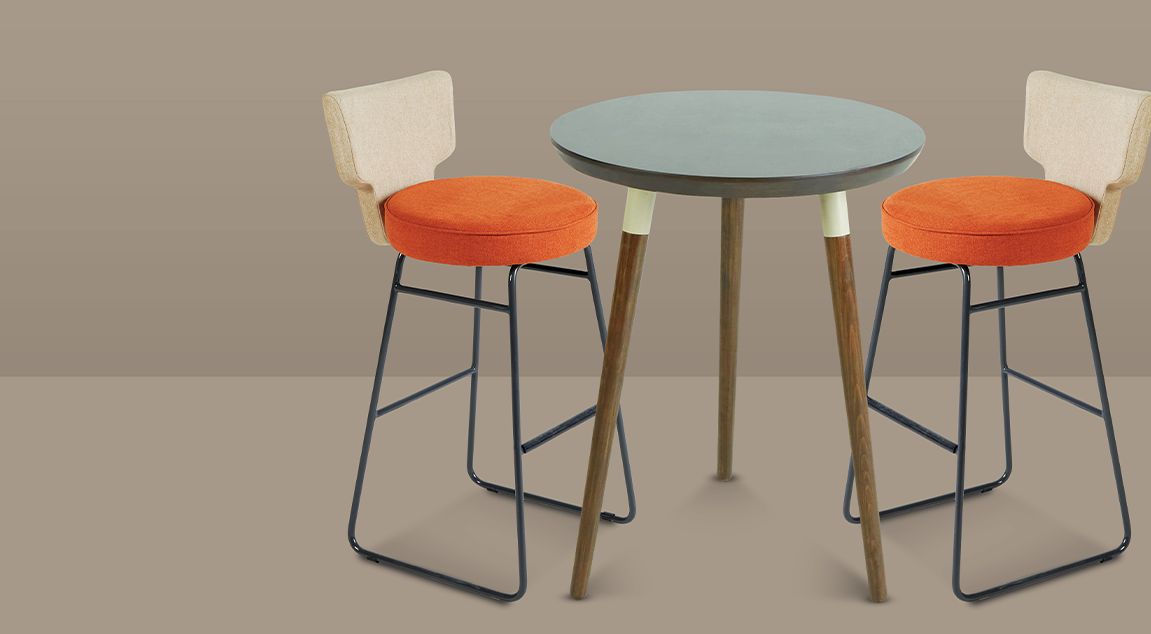
High-traffic areas near coffee stations or vending zones need seating suited for brief stops. Bar-height stools or perch seats keep people moving while offering quick support, so durability and easy cleaning are key. Wipro's Levitate High Stools fit well here, providing a simple, versatile option for short pauses without disrupting the flow of busy spaces.
The main dining area requires chairs that support comfortable seating for 30-45 minute periods. Here, gentle lumbar support becomes important, as does appropriate cushioning that maintains comfort without creating a too-relaxed atmosphere that might discourage return to work. For these spaces, you need:
Moderate back support that doesn't restrict movement
Armrest options for varied preferences
Easy-clean materials for spill management
Colours that enhance appetite and energy
Many modern cafeterias include semi-private areas for informal meetings or focused work during breaks. These spaces benefit from slightly more supportive seating that bridges the gap between cafeteria casual and office formal. Modular arrangements allow teams to configure spaces based on group size and discussion needs.
Workplace needs evolve quickly. A layout that suits a 50-person startup may fall short once the team grows to 200. Effective cafeteria design builds modularity from the start, allowing the space to adapt without major redesigns. Flexible seating also boosts space utilisation and user satisfaction. Core principles include:
Standardised dimensions for easy mixing and matching
Lightweight builds for effortless rearrangement
Stackable or nesting options for event use
Visual consistency across different seating styles
Modern cafeterias must accommodate both social butterflies and those seeking quiet moments. Thoughtful cafe chairs placement creates natural zones without rigid barriers. Consider the following arrangements:
For Social Interaction:
Round tables with 4-6 chairs encourage conversation
Bench seating along windows creates casual gathering spots
Bar-height communal tables support quick interactions
For Quiet Moments:
Two-person tables near windows or corners
Single seats with small side tables
Acoustic considerations through material choices
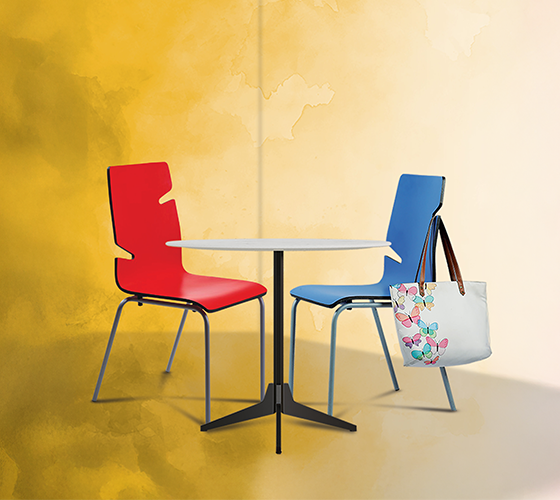
Wipro's Munch seating collection offers this flexibility, with designs that work equally well in communal settings or more intimate arrangements, supporting the diverse ways employees use cafeteria spaces. Moreover, the Munch chairs feature a distinctive back design that allows the seated individual to hang their bags and belongings, creating more seating and a clutter-free space.
Long-term value in cafeteria chairs comes from how well they perform, support, and endure far beyond the initial purchase.
Upfront cost of furniture is only a small part of its overall lifetime expense. For cafeteria seating that undergoes heavy daily use, the long-term factors, like durability, maintenance, and replacement cycles, often matter far more than what you pay at the start. Smart organisations consider:
Cleaning and maintenance requirements
Expected lifespan under heavy use
Replacement cycles and disposal costs
Employee satisfaction impact
Space efficiency and flexibility
Quality cafeteria environments contribute measurably to workplace satisfaction, reducing absenteeism, improving recruitment success, and enhancing productivity when employees return to work. The calculation becomes clear when considering that employees spend approximately 250 hours annually in cafeteria spaces. Investing in quality seating that supports comfort and wellbeing throughout these hours yields returns through:
Reduced fatigue and physical complaints
Enhanced workplace culture and collaboration
Improved employer brand and recruitment
Lower furniture replacement frequency
Decreased maintenance costs over time
Creating a comfortable cafeteria starts with understanding how the space will be used and the atmosphere you want to build. The right chairs form the foundation, balancing comfort, durability, and flexibility as needs evolve. Prioritising supportive materials and climate-appropriate choices helps these spaces enhance wellbeing and workplace culture. For organisations looking to elevate their cafeteria experience, Wipro's cafeteria seating range brings together ergonomic research, durable construction, and thoughtful design to create spaces where employees genuinely want to spend their breaks.
Cafeterias serve multiple purposes, requiring furniture that supports short sitting periods, easy cleaning, and frequent rearrangement. Unlike 8-hour office chairs, cafeteria seating prioritises durability, movement, social interaction, and shared wellbeing over individual productivity.
Focus on durability, ergonomics, ease of cleaning, and how well the chair fits the intended zone—quick breaks, casual dining, or long conversations. Materials should withstand heavy daily use, and the design must support posture. Also consider stackability, weight, and aesthetic alignment with the overall cafeteria theme.
Choose breathable materials like perforated polypropylene or powder-coated metal with moisture-resistant cushions. Avoid heat-trapping vinyl or non-breathable synthetics. Anti-microbial finishes offer added protection in shared, high-use environments.
The lifespan of quality cafeteria chairs depends on daily use, materials, cleaning habits, and environment. Regular maintenance and timely repairs help extend lifespan, while aesthetic refresh cycles may occur sooner.
A mix works best, offering varied seating for different activities. Maintain visual consistency through colours or shared design elements. A balanced mix often includes dining chairs, lounge seating, and limited bar-height options.