


Search Here
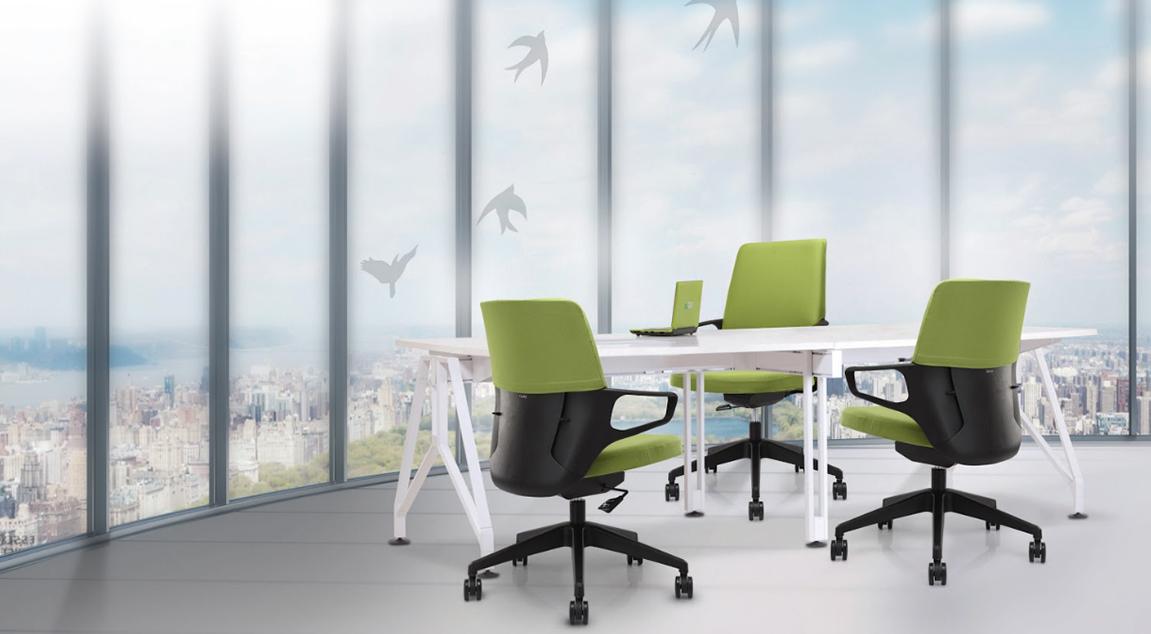
Corporate furniture serves as more than functional workspace infrastructure—it acts as a visual representation of a company's values, culture, and professional standards. The executive office chair sitting behind a CEO's desk, the collaborative seating in meeting rooms, and even reception area furniture all communicate powerful messages to employees, clients, and stakeholders. Research shows that companies investing in well-designed workspaces see a significant improvement in employee health and productivity.
This article examines how strategic furniture selection shapes brand perception, influences workplace culture, and drives measurable business outcomes. Understanding these connections helps organisations make furniture decisions that align with the brand identity while supporting employee wellbeing and productivity.
Furniture choices trigger immediate psychological responses that shape how people perceive an organisation. Research in environmental psychology reveals that office design elements directly influence cognitive and emotional workplace experiences. Every design decision sends a message about company values, priorities, and culture to employees, clients, and stakeholders.
Successful companies align furniture choices with their brand identity across all touchpoints. Take Apple offices, for instance, they feature clean lines and minimal clutter that reflect its dedication to simplicity and cutting-edge creativity, while Patagonia incorporates recycled materials and repurposed wood to underscore environmental commitment.
Studies demonstrate that humans form judgements within the first few seconds of entering a new environment. When clients walk into a reception area or conference room, the furniture quality, style, and arrangement instantly communicate the company's professionalism, attention to detail, and organisational values.
The reception area serves as your brand's physical introduction. High-quality seating arrangements, thoughtful material choices, and cohesive design elements communicate professionalism and attention to detail. Companies that invest in premium reception furniture, including well-chosen executive office chair designs for meeting spaces, report improved client confidence and trust levels.
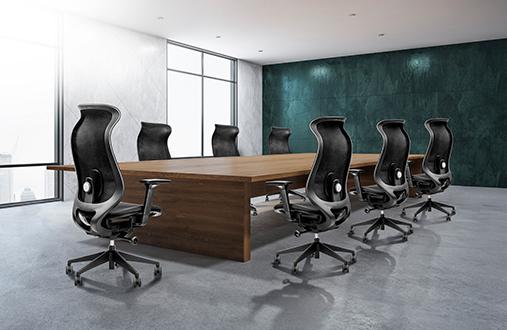
Conference room furniture influences negotiation dynamics and collaboration effectiveness. Round tables promote equality and open discussion, while traditional rectangular setups establish clear hierarchy. The quality and comfort of meeting room chairs directly impact the length and productivity of discussions, with ergonomic options allowing participants to maintain focus during extended sessions.
A tech startup's open workspace with modular seating communicates innovation and flexibility. A law firm's traditional mahogany desks and leather chairs signal stability and professionalism. Each material choice reinforces specific brand attributes that resonate with target audiences. These visual cues work subconsciously and influence the minds of employees and clients alike.
Investing in durable, high-quality furniture reduces replacement frequency and environmental impact. Well-made pieces maintain appearance and functionality longer, consistently reinforcing brand standards without frequent updates. This approach demonstrates fiscal responsibility alongside environmental consciousness.
The CEO's office particularly influences brand perception. An executive office chair represents more than seating—it embodies leadership style and corporate philosophy. Modern mesh designs suggest transparency and approachability, while traditional high-backed leather chairs convey authority and tradition. These choices cascade throughout the organisation, setting expectations for company culture and hierarchy, much like Wipro's Kingdom chair.
A CEO's office serves as the pinnacle representation of corporate leadership. The furniture choices, particularly the executive office chair and desk combination, communicate the company's approach to power, collaboration, and workplace culture. High-end executive furniture conveys authority and success, while more accessible designs might signal approachability and egalitarian values.
The alignment between the CEO office design and overall corporate identity proves essential for brand consistency. When leadership spaces reflect broader organisational values through furniture selection, it reinforces authentic brand messaging to both internal teams and external visitors.
Board members, investors, and key clients often interact with companies primarily through executive spaces. The quality and design of an executive office chair and conference room seating directly impact the confidence in organisational leadership. Well-chosen executive furniture suggests attention to detail, financial stability, and professional competence—factors that influence crucial business relationships.
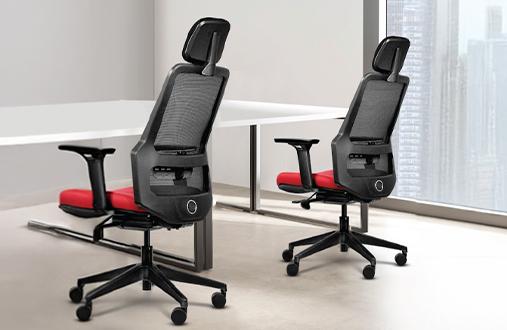
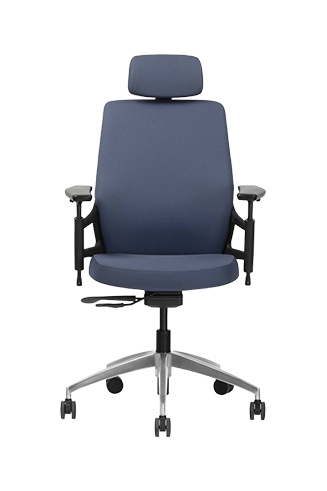
Furniture like the Wipro Power Up chair make a quiet yet commanding statement in any executive space. Its contoured headrest and sleek unibody design mirror the precision and confidence of decisive leadership. The winged armrests and refined aluminum base suggest balance and poise—traits that leave a lasting impression on clients and colleagues alike.
Furniture arrangements and selections actively shape workplace culture by either encouraging or discouraging specific behaviours and interactions. The physical environment created by furniture choices directly impacts how employees collaborate, communicate, and identify with the organisation.
Quality executive office chair selection and comprehensive ergonomic seating programs deliver returns through multiple channels.
Enhanced employee retention reduces recruitment costs and preserves institutional knowledge.
Improved productivity drives stronger client outcomes and revenue growth.
A positive workplace reputation attracts top talent willing to accept competitive rather than premium compensation packages.
Employees working in environments with furniture aligned to brand identity experience greater workplace belonging and pride. Research indicates that workers who customise their workspace, like adjusting the ergonomic features on office chairs and altering desk layout to suit the body, show higher productivity.
Companies investing in ergonomic furniture demonstrate commitment to employee wellbeing. This investment communicates that the company values its people, strengthening employer brand and attracting top talent.
Open lounges with collaborative seating communicate transparency and innovation, while traditional cubicle arrangements suggest hierarchy and individual focus. Smart organisations choose furniture that reinforces their desired culture, attracting talent whose values align with the physical workspace messaging.
Modern workplaces increasingly accommodate hybrid arrangements, requiring furniture that adapts to varying occupancy and usage patterns. Multifunctional furniture adoption leads to higher space efficiency while supporting flexible work styles.
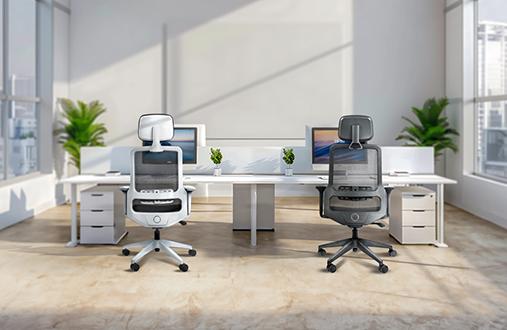
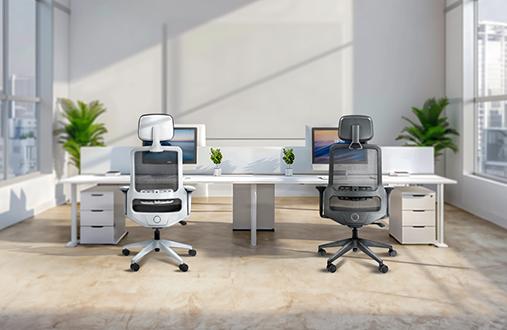
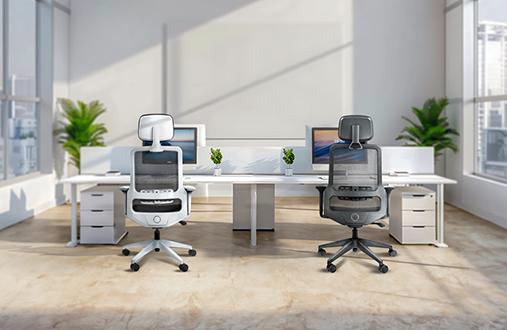
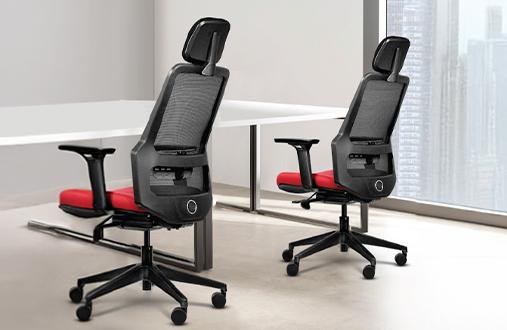
Hot-desking solutions, modular seating arrangements, and technology-integrated furniture show companies embracing workplace evolution. These choices position brands as innovative and responsive to employee needs, which is particularly important for attracting younger talent. For instance, the Wipro Trophy chair fits into any workplace environment effortlessly and features an auto weight sensing mechanism along with adjustment buttons integrated into the seat for easy access and customisation.
Selecting furniture from manufacturers using recycled materials, responsible sourcing, and eco-friendly production processes aligns with ESG goals. Reputable brands offer sustainable options without compromising quality or ergonomics. These choices resonate particularly with younger employees who prioritise working for environmentally responsible organisations.
Making furniture choices that effectively communicate brand values requires careful consideration of multiple factors. Organisations must balance aesthetic appeal, functional requirements, employee needs, and budget constraints.
When evaluating options, particularly for executive office chair selections and other high-visibility furniture, consider these criteria:
Brand alignment: Does the design aesthetic match the corporate identity?
Functional excellence: Will the furniture support productivity and wellbeing?
Quality indicators: Are the materials and construction built to last?
Flexibility: Can pieces adapt to changing workspace needs?
Environmental impact: Do manufacturing processes align with sustainability goals?
Space efficiency also matters, with multifunctional furniture adoption leading to efficient space utilisation. This particularly benefits organisations managing real estate costs while accommodating flexible work arrangements.
Strategic furniture investments generate quantifiable returns through multiple channels. Understanding these metrics helps justify furniture budgets while demonstrating brand-building value. Companies investing in ergonomic furniture designs experience considerable productivity improvements alongside significant workplace injury reductions.
The executive office chair and overall workspace design influence stress levels and job satisfaction. Comfortable, ergonomically designed furniture reduces employee irritability and fatigue, creating positive workplace cultures that decrease absenteeism and improve retention rates. Smart furniture featuring IoT integration provides usage data enabling space optimisation and efficiency improvements.
Selecting furniture that authentically represents brand values while supporting employee needs requires balancing longevity, adaptability, and clear alignment with organizational identity. The right executive office chair and workspace furnishings communicate leadership values, support employee wellbeing, and create positive stakeholder impressions. Thoughtful furniture choices shape how clients and colleagues perceive professionalism, attention to detail, and commitment to quality—leaving a lasting impression of competence and care. The Wipro Premium Executive Chair range elevates any workspace and makes a statement that aligns with a brand’s high standards and values.