


Search Here
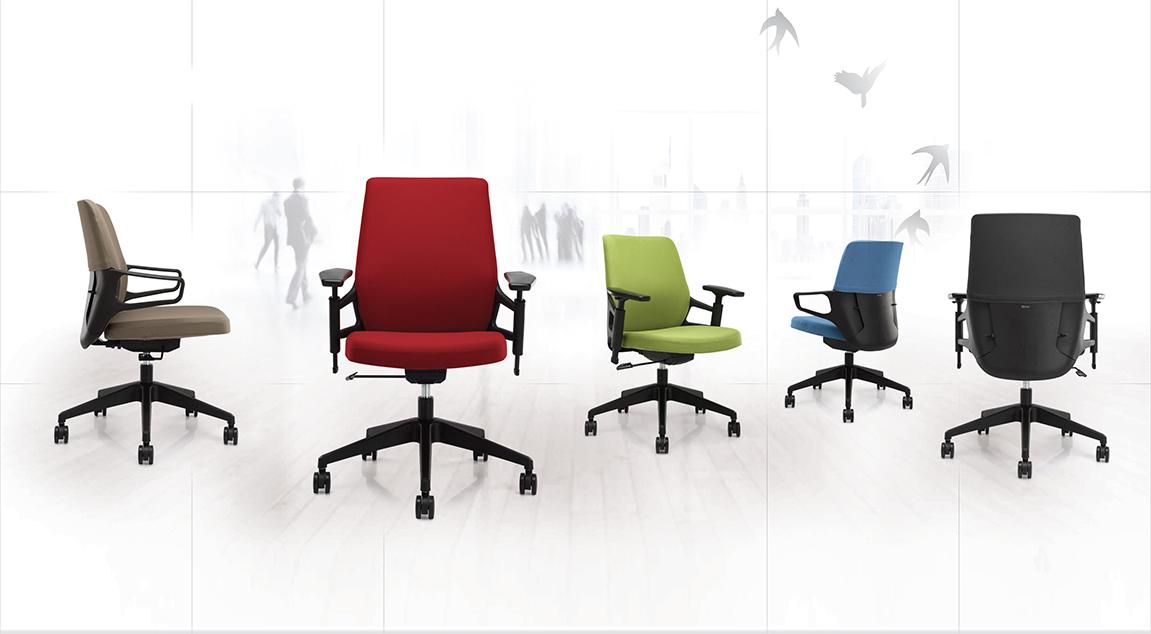
Table of Contents
|
An office chair quietly witnesses a worker's longest workdays—those deadline marathons, back-to-back video calls, and afternoons when the lower back starts speaking louder than groundbreaking ideas. It holds employees through concentration and fatigue, through focused mornings and long afternoons when positions are restlessly changed, seeking relief that never quite comes.
The connection between how workers sit and how often sick leaves are called in surprises most. When organisations understand this relationship, they discover that seating position influences not just comfort but the very foundation of workplace health economics.
Every poorly designed chair tells a story of accumulating health costs and lost workdays. The financial impact extends far beyond the initial furniture budget, creating ripples that affect everything from insurance premiums to team morale.
The numbers paint a sobering picture. About 1.8 million workers report musculoskeletal disorders annually, with 600,000 requiring time off work. In regular offices specifically, 52.5% of musculoskeletal signs appear in the back region, forcing 18.9% of professionals to withdraw from daily activities entirely.
A systematic study and meta-analysis of lower back pain has revealed that the direct medical costs per patient range from US $9,231 to $10,143 on average. This range mainly includes costs like ambulatory care, hospitalisation, physician visits, etc. It excludes productivity losses, temporary replacement costs, or the long-term impact of chronic conditions. When the ripple effect of one employee's extended absence is considered, the true cost rises exponentially.
Beyond dramatic injury cases, poor seating position creates a steady drain through incremental health issues. Workers with chronic pain conditions face mounting expenses, including regular doctor visits, weekly physiotherapy sessions, prescription medications, and diagnostic tests. A study of Indian banking professionals found 40.4% experiencing lower back pain, with 39.5% reporting upper back issues.
These seemingly minor discomforts evolve into major medical expenses. Each physiotherapy session, each prescription refill, and each specialist consultation adds to both personal and organisational healthcare burdens. Companies often overlook how group insurance premiums rise steadily as claims for musculoskeletal treatments increase year after year.
The human spine wasn't designed for eight-hour sitting marathons. Understanding what happens to the body during extended desk work reveals why proper seating becomes a health investment rather than merely a comfort choice.
Picture the spine as a carefully balanced tower of vertebrae, cushioned by discs that act as shock absorbers. In poor seating positions, this tower tilts forward, compressing those discs unevenly. The pressure on spinal discs increases by up to 40% when slouching, triggering a cascade of problems from pinched nerves to chronic inflammation.
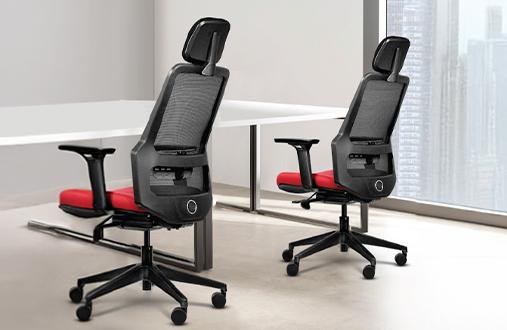
Muscles work overtime compensating for inadequate support. Without proper lumbar backing, the lower back muscles remain constantly engaged, leading to fatigue and eventual strain. Blood flow to these overworked muscles decreases, creating the familiar afternoon ache that causes restless shifts. Quality ergonomic seating addresses this through scientifically designed support that maintains the spine's natural S-curve throughout the day.This is precisely why chair design matters. Seating that incorporates dynamic lumbar systems—such as the Body Tracking Lumbar Support found in the Always Office Chair by Wipro—is built to move with the user rather than forcing the spine into a fixed posture. By adapting to subtle shifts in position, such systems help maintain the spine’s natural S-curve throughout the day, reducing muscular overcompensation.
Targeted workplace studies reveal unique challenges. Long commutes in traffic or crowded metros already stress the spine before the workday begins. Add humid climates that make poor ventilation in chairs particularly uncomfortable, plus the cultural tendency to work through discomfort without complaint, and you have a recipe for accumulated health issues.
The key lies in finding one's personal ergonomic sweet spot—where seat height allows feet to be flat on the floor, armrests support without elevating shoulders, and lumbar support fills the natural curve of the lower back. Research shows that workers switching to ergonomic seating experience pain reduction within a few weeks.
The pathway from chair quality to attendance rates follows a clear pattern backed by extensive research. Understanding this connection helps organisations make informed decisions about workplace investments.
Musculoskeletal injuries rank as a leading cause of workplace absenteeism, especially for tasks requiring prolonged sitting. When employees wake up with shooting back pain or stiff necks, the thought of enduring another day in an uncomfortable chair often triggers that sick-day call. Companies implementing ergonomic practices effectively see significant reductions in such absences.
Impact of Seating on Workplace Health
|
Body Region |
Reduction with Proper Seating |
Days Lost Annually |
|
|---|---|---|---|
|
Lower Back |
34% |
Significant improvement |
Almost two weeks |
|
Neck |
42% |
Measurable reduction |
One week |
|
Upper Back |
28% |
Significant improvement |
One week |
|
Shoulders |
16% |
Measurable reduction |
Half a week |
The data demonstrates how seating ideas that prioritise ergonomics translate directly into improved attendance and reduced healthcare utilisation.
Consider the mathematics of prevention versus treatment. A quality ergonomic chair requires perhaps five minutes of initial adjustment and seconds of daily fine-tuning. Compare this to the weeks or months required for recovering from a herniated disc or chronic muscle strain. Studies indicate that chair interventions reduce the severity, intensity and frequency of musculoskeletal pain among workers required to sit for prolonged periods.
Prevention through proper seating creates a compound effect. Each day without pain means better sleep, improved mood, and sustained productivity. Each avoided injury saves not just medical costs but preserves career momentum and quality of life. The time invested in selecting and adjusting appropriate seating pays dividends through years of sustained health.
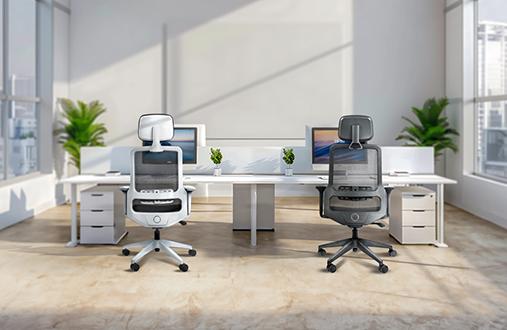
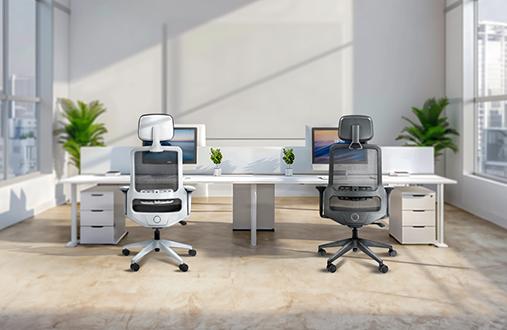
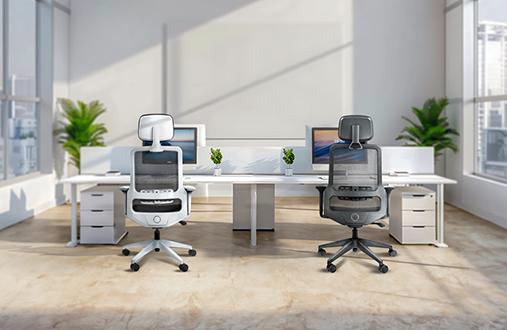
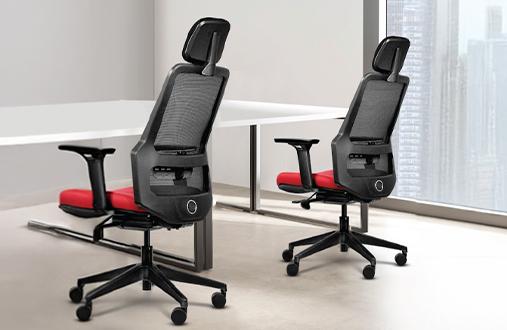
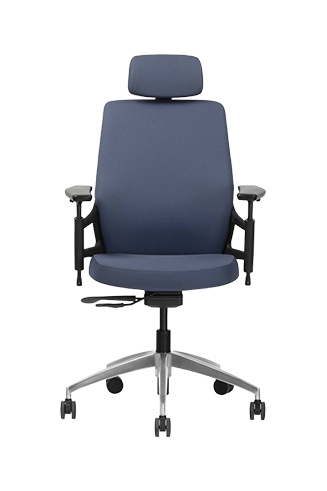
Chairs designed with firm back support, dynamic tilt mechanisms, and adaptable armrests operationalise this preventive approach. For example, the Wipro That’s It Chair incorporates a wide back frame with an ergonomic backrest, a three-point locking synchro-tilt mechanism, and adjustable padded armrests—features that allow users to fine-tune posture throughout the day.
Moving beyond health benefits, the economic case for quality seating proves equally compelling. Organisations discovering these returns often regret not having reacted quicker.
The return on investment for ergonomic seating typically manifests within the first year. A study compares the average cost per MSD claim before and after ergonomic interventions, which clearly shows the positive ROI. Companies report measurable reduction in workers' compensation claims and health insurance utilisation for musculoskeletal disorders. With workplace injury rates dropping from 16.8 to 6.94% per 1000 employees, insurance premiums often decrease in subsequent years.
|
Financial Insight: Beyond Direct Savings
When calculating ROI, consider hidden savings: reduced temporary staff costs, maintained project timelines, preserved institutional knowledge when experienced employees stay healthy, and improved employer brand attracting quality talent who value workplace wellness. |
A comprehensive cost analysis reveals multiple savings streams. Reduced healthcare expenses represent just the beginning. Lower worker compensation claims, improved employee retention, and decreased recruiting costs all contribute to the financial picture. The productivity loss in some regions amounts to ₹270 crores annually, highlighting the economic scale of addressing seating-related health issues.
The five-year view of seating investment reveals even greater returns. Quality chairs designed for Indian workplace conditions typically last 8-10 years with proper care. Amortised over this period, the daily cost becomes negligible compared to even one avoided medical incident.
Ergonomic programmes help organisations achieve significant cost savings through reduced healthcare expenses, fewer compensation claims, and improved retention. The savings compound as healthier employees require less sick time, maintain higher productivity, and contribute to positive workplace culture. Incorporating ergonomics into employee benefits not only reduces group medical claim costs but also enhances the employer brand significantly.
The journey toward reduced sick leave extends beyond purchasing chairs. It requires thoughtful implementation and a cultural shift that places employee wellbeing at the centre of workplace design.
Not all ergonomic features provide equal health benefits. Research identifies key elements that make the greatest difference in preventing musculoskeletal disorders:
Essential Health-Focused Features:
Adjustable lumbar support maintaining natural spine curvature reduces disc compression
Seat height adjustment ensuring feet are flat on the floor improves circulation
Breathable materials preventing heat buildup during long sitting sessions
Synchronised tilt mechanism encouraging movement throughout the day
Proper armrest positioning preventing shoulder and neck strain
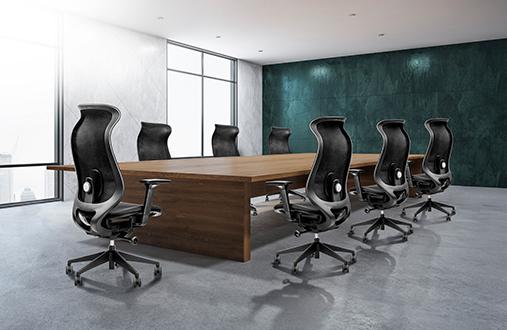
In practice, these principles are reflected in chairs engineered around spinal alignment and dynamic support. For instance, designs such as the Wipro I’m Pro Chair incorporate a contoured backrest shaped to follow the natural curvature of the spine, along with an automatic weight-sensing mechanism that adjusts resistance based on the user. Rather than functioning as added features for comfort alone, such mechanisms operationalise established ergonomic principles — allowing the chair to respond to different body types and movement patterns, which is central to reducing cumulative musculoskeletal strain in shared or multi-user work environments.
Studies show the most common parameter in successful chair interventions involves adjustable features accommodating individual body differences. The ideal seating position for someone might differ significantly from a colleague's, making adaptability crucial for health outcomes.
Investment in quality seating is associated with improved employee wellbeing. Research indicates that supportive physical work environments correlate with higher job satisfaction and stronger workplace commitment. Thoughtful workspace design has been linked to increased engagement, improved collaboration, and greater organisational attachment.
Training contributes significantly to maximising health benefits. Instruction on proper posture, correct chair adjustments, and the importance of regular movement increases adherence to ergonomic practices. Education on recognising early signs of musculoskeletal strain enables early intervention, reducing the likelihood of conditions progressing to injuries that require extended medical leave.
The evidence clearly demonstrates that proper seating significantly reduces both sick leave and medical costs while fostering workplace wellness. For organisations ready to invest in employee health, the path forward involves assessment, selection, and thoughtful implementation of ergonomic solutions.
Consider exploring Wipro's ergonomic seating solutions designed specifically for Indian workplace needs. With decades of research-backed design, these chairs support employee wellness and the journey toward reduced medical costs.
Studies show workers experience noticeable pain reduction within a few weeks of switching to ergonomic chairs. Improved blood flow and reduced spinal disc pressure provide relief relatively quickly.
Musculoskeletal disorders cause approximately 30-33% of all workplace sick days. In offices with poor seating, this percentage often doubles, significantly impacting productivity and costs.
Prioritise adjustable lumbar support and seat height features. These core ergonomic elements deliver maximum health benefits without requiring premium chair models, making them budget-friendly choices.
Breathable mesh backs and moisture-wicking fabrics become essential in Indian climates. Poor ventilation in chairs increases discomfort, leading to frequent position changes and potential strain.
Quality ergonomic chairs should last 7-10 years with proper maintenance. However, chairs showing worn lumbar support or malfunctioning adjustments should be replaced sooner to prevent health issues.