


Search Here
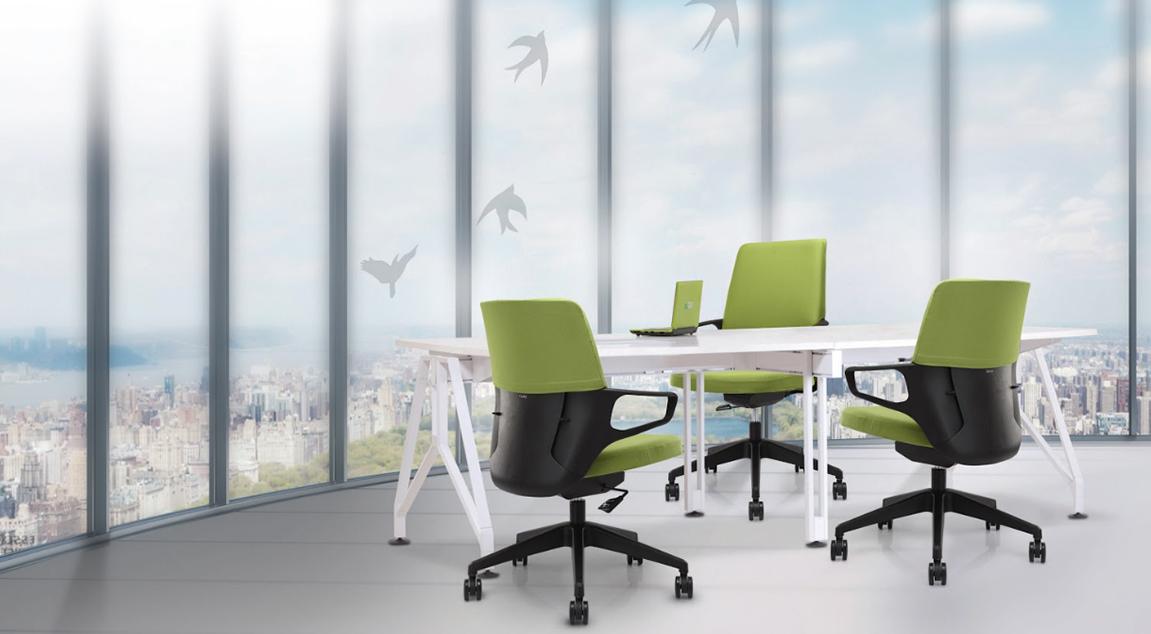
Walk into any thriving workplace, and the chairs tell a story. They reflect values around employee care, design thinking, and organisational priorities. In modern office design, seating has evolved from a functional necessity to a strategic workplace tool that shapes culture and performance. The transformation runs deeper than aesthetics. Today's organisations recognise that thoughtful seating choices influence everything from collaborative dynamics to long-term health outcomes. The right chairs become silent partners in workplace success.
Every chair in an office sends subtle signals about organisational values and workplace culture. These design decisions ripple through daily experiences, affecting how teams collaborate, concentrate, and connect across spaces.
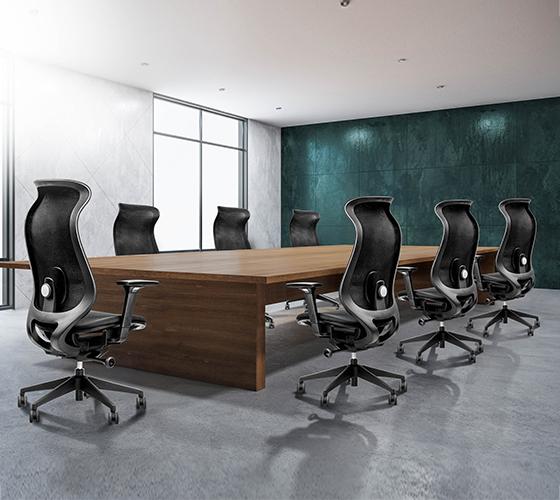
The relationship between seating and culture proves more profound than many organisations initially recognise. When companies invest in quality, ergonomic seating, employees perceive this as tangible evidence of care for their well-being. Many employees believe well-designed workplaces reduce stress levels, with seating playing a central role in this perception.
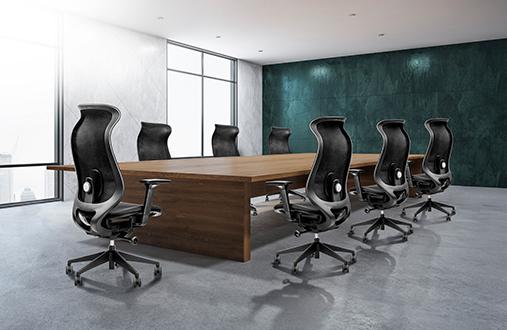
Consider how different chair configurations communicate different cultural messages. Height-adjustable task chairs with collaborative features encourage movement and interaction, supporting dynamic work styles. Executive chairs in meeting rooms might emphasise hierarchy, while uniform, quality seating across all levels suggests egalitarian values. The choices organisations make about seating directly influence team dynamics, collaborative behaviour, and workplace satisfaction.
Psychological comfort extends beyond physical support. When employees settle into chairs that adapt to their needs, they experience reduced cognitive load around physical discomfort, freeing mental resources for creative and analytical tasks. This phenomenon becomes especially relevant given that office workers spend over 1,700 hours annually at their desks.
Modern office furniture serves as environmental psychology in action.
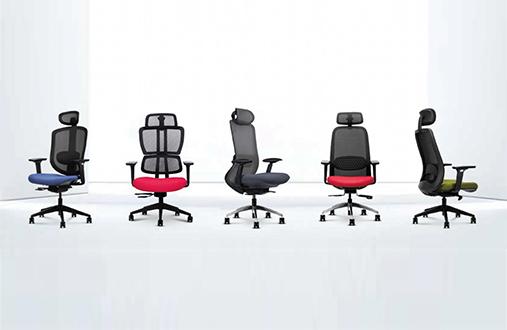
Breathable mesh backs signal transparency and openness.
Warm, cushioned seating in breakout areas invites informal conversations.
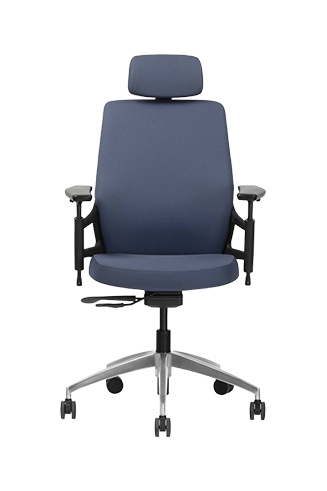
Task chairs with intuitive adjustments empower users to personalise their workspace, fostering autonomy and ownership.
These psychological impacts accumulate into measurable differences in engagement, creativity, and workplace satisfaction.
The role of seating in contemporary workplaces extends far beyond providing a place to sit. Today's chairs must support diverse work styles, enable quick transitions between activities, and promote wellness throughout extended work periods.
Modern office design demands chairs that serve multiple functions simultaneously. Quality seating now acts as:
Wellness Infrastructure: With 50% of office workers experiencing chronic back pain or daily discomfort, chairs function as preventive health tools. Adjustable lumbar support, dynamic tilt mechanisms, and breathable materials work together to reduce physical strain.
Productivity Enablers: Research demonstrates that employees using ergonomic chairs with proper training achieve 17.7% productivity improvements. This impact stems from reduced discomfort-related distractions and better sustained focus.
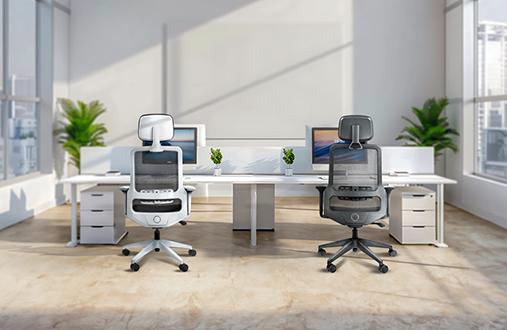
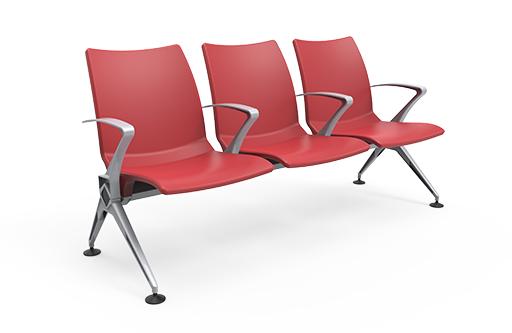
Space Definers: In open-plan offices, chair selection helps delineate different work zones. High-back chairs create privacy pods for focused work, while mobile seating enables fluid collaboration. The visual language of different chair types guides behaviour and space usage naturally.
Brand Ambassadors: Visitor areas and client-facing spaces rely on seating to communicate professionalism and attention to detail. The comfort and design quality experienced by guests shapes perceptions of organisational competence and values.
The evolution toward hybrid work creates new demands for office seating strategies. With employees splitting time between home and office, workplace chairs must deliver exceptional value during in-office days. This means prioritising collaborative seating arrangements that facilitate the face-to-face interactions workers specifically come to offices to achieve.
Flexibility becomes paramount. Chairs that easily reconfigure support spontaneous team gatherings and planned meetings equally well. Height-adjustable features accommodate hot-desking scenarios where multiple users share workstations across different days. Wipro's task zone solutions address these evolving needs through adaptable designs that transition smoothly between individual focus work and collaborative sessions.
Storage integration gains importance as employees no longer maintain permanent desks. Chairs with understated bag hooks or integrated storage help workers manage belongings during their office visits. This thoughtful functionality reduces friction in hybrid work patterns.
Evidence-based design principles guide successful seating strategies in modern office design. Understanding the research behind ergonomic benefits helps organisations make informed investments that deliver measurable returns.
A 2012 systematic review in BMC Musculoskeletal Disorders reported that workers who switched to adjustable chairs, typically combined with brief training on how to use them, consistently experienced reductions in self‑reported musculoskeletal pain during prolonged sitting, although the evidence quality was only moderate and productivity effects were inconclusive.
The health benefits extend beyond back pain relief. Proper seating reduces musculoskeletal disorders by up to 75%, significantly decreasing healthcare costs for organisations. When companies invest in BIFMA-certified seating that meets rigorous durability and safety standards, they protect both employee health and organisational liability.
|
Design Insight: The Compound Effect of Comfort Quality seating creates positive ripple effects throughout organisations. Comfortable employees take fewer breaks, maintain better focus, and report higher job satisfaction. These individual benefits compound into improved team dynamics, better client interactions, and a stronger organisational culture. |
For Indian organisations, investing in ergonomic seating primarily pays off through healthier employees and more stable performance. Studies on ergonomic interventions in developing‑country workplaces report that better‑designed workstations reduce musculoskeletal complaints and are associated with improved comfort and task output, especially in labour‑intensive and computer‑based roles.
Rather than quoting a single ROI ratio, companies can track returns across four areas:
Reduced absenteeism from work‑related musculoskeletal disorders, particularly back and neck problems.
Productivity and quality gains when employees can maintain neutral posture and work with less discomfort across the day.
Better retention and engagement in workplaces that visibly invest in health, which is a growing priority in India’s IT and services sectors.
Lower long‑term costs when chairs meet recognised durability and safety benchmarks (such as BIFMA office‑seating standards that test mechanisms over tens of thousands of cycles), reducing premature failures and replacements.
Thoughtful chair selection and fit‑to‑user adjustments therefore act less as a cosmetic upgrade and more as a strategic tool for protecting workforce health and controlling lifecycle costs in Indian offices.
Modern office design embraces fluidity and adaptability. Strategic seating selection enables organisations to create dynamic environments that evolve with changing needs and work patterns.
Contemporary workplaces leverage seating variety to create distinct activity zones without permanent walls. This approach maximises space utility while supporting diverse work styles throughout the day.
Focus Zones: High-back ergonomic chairs with privacy panels signal areas for concentrated individual work. These chairs often feature advanced lumbar support and minimal visual distractions, helping workers maintain deep focus during complex tasks.
Collaboration Hubs: Mobile seating on casters enables quick reconfiguration for team discussions. Lightweight chairs that stack or nest support impromptu gatherings while maintaining space flexibility.
Transition Spaces: Casual seating in corridors and between zones encourages informal interactions. These spontaneous conversations often spark innovation and strengthen team bonds. Organisations report increased cross-departmental collaboration when comfortable perch seating appears in transitional areas.
Quiet Corners: Soft seating with acoustic properties creates retreat spaces for phone calls or reflection. These chairs provide physical and psychological respite from open office energy, supporting introverted work styles and private conversations.
Material selection in modern office furniture reflects evolving priorities around sustainability, hygiene, and comfort across diverse climates. The shift toward environmentally conscious choices influences both manufacturing processes and end-of-life considerations.
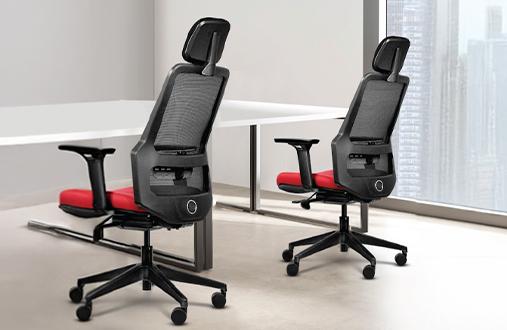
Breathable mesh backs have gained prominence in warm climates, offering superior ventilation during extended sitting periods. These materials prove especially valuable in spaces where air conditioning varies or during seasonal temperature fluctuations. Advanced mesh technologies now provide lumbar support comparable to traditional cushioned backs while maintaining airflow benefits.
Antimicrobial fabrics address heightened hygiene awareness in shared workspaces. These treatments reduce bacterial growth between cleanings, supporting workplace health protocols. Easy-clean surfaces using solution-dyed fibres resist staining while maintaining colour vibrancy through years of use.
Sustainability drives material innovation forward. Recycled plastics, responsibly sourced woods, and low-emission adhesives align with corporate environmental commitments. Forward-thinking organisations recognise that sustainable seating choices resonate with environmentally conscious employees and clients alike.
The journey toward optimal workplace seating requires thoughtful evaluation of organisational needs, employee preferences, and long-term objectives. Success comes from viewing chairs as investments in human capital rather than simple furniture purchases. Moreover, understanding BIFMA certification standards helps procurement teams ensure quality and safety. These globally recognised benchmarks assess durability, stability, and structural integrity through rigorous testing protocols. Compliance provides legal protection while guaranteeing chairs withstand commercial use demands.
For organisations embracing modern office design principles, seating decisions shape daily experiences and long-term outcomes. The right chairs support wellness initiatives, enable flexible work patterns, and communicate organisational values. Explore Wipro's comprehensive seating solutions to discover options aligned with contemporary workplace goals and employee well-being priorities.
Ergonomic chairs that support healthy posture can reduce physical discomfort and related mental distractions for office workers, helping employees stay focused for longer periods. Organisations are increasingly adopting ergonomic seating to cut down posture‑related musculoskeletal problems and to sustain higher work efficiency.
Height adjustability, intuitive controls, and easy-clean materials prove essential. Quick adjustment mechanisms let multiple users personalise settings rapidly, while durable surfaces withstand increased usage.
Quality office seating that meets ANSI/BIFMA work‑chair standards is engineered for intensive, commercial use, with frames and mechanisms cycle‑tested in the lab to withstand years of daily loading and recline without structural failure, provided the chairs are used and maintained as intended.
Mesh backs provide superior breathability, reducing heat buildup during extended sitting. They offer comparable support to cushioned alternatives while maintaining hygiene through improved airflow.
Seating quality signals organisational values around employee well-being. Uniform, high-quality chairs across levels promote egalitarian culture, while varied seating types support diverse work styles.
Sustainable chairs use recycled materials, low-emission manufacturing, and design for disassembly. These choices reduce environmental impact while supporting corporate sustainability commitments.