


Search Here
Research increasingly demonstrates that the science behind ergonomic seating and employee productivity is more than workplace wellness rhetoric. Studies show that proper office chairs can increase productivity while significantly reducing musculoskeletal disorders affecting 37.9% of office workers. For businesses seeking tangible performance gains, understanding how seating impacts worker health and output has become essential.
This article examines the research connecting chair design to workplace performance, explores the mechanisms through which ergonomic features prevent injury and fatigue, and provides evidence-based criteria for evaluating seating investments that deliver measurable returns.
The economic case for ergonomic seating rests on compelling data from multiple large-scale studies. Understanding these findings helps justify investment decisions and set realistic expectations for workplace improvements.
The landmark collaboration between the Upjohn Research Institute, the University of Texas, York University, and Health and Work Outcomes documented a 17.7% productivity increase when employees received both ergonomic chairs and proper training.
Research found that 62% of employees felt that switching to ergonomic chairs would increase comfort and productivity. Manufacturing environments saw even greater gains, with comprehensive ergonomic improvements boosting productivity while reducing injury risks within two years.
University of California research reveals that after a disruption, workers need an average of 23 minutes to regain complete focus. When discomfort causes repeated interruptions throughout the day, productivity losses compound dramatically. The broader economic impact is staggering, with musculoskeletal disorders costing U.S. businesses between $45 and $54 billion annually in medical expenses and lost work time.
The science behind ergonomic seating and employee productivity becomes clearer when examining how poor posture affects the body over time. Research provides specific data on workplace injury patterns and risk factors.
Research identified the neck (36%), lower back (36.5%), and shoulders (31.4%) as the most prevalent problem areas among office workers. Workers sitting more than 4 hours daily were 2.51 times more likely to develop musculoskeletal disorders compared to those sitting less.
Recent studies show people now sit an average of 10.4 hours per day, far exceeding traditional eight-hour workdays when commutes and home activities are included. Without proper support, this extended sitting leads directly to chronic pain conditions that affect both health and workplace performance.
An ergonomic office chair addresses these risks through specific design elements that support natural posture. According to OSHA guidelines, increased adjustability ensures a better fit for users and provides adequate support in various sitting postures throughout the workday. The agency emphasises that properly designed chairs reduce exposures to awkward postures, contact stress, and forceful exertions.
Key protective mechanisms include adjustable lumbar support that maintains the spine's natural curve, seat depth adjustment that improves circulation by reducing thigh pressure, and armrests that prevent shoulder strain by supporting proper elbow positioning at 90-100 degrees.
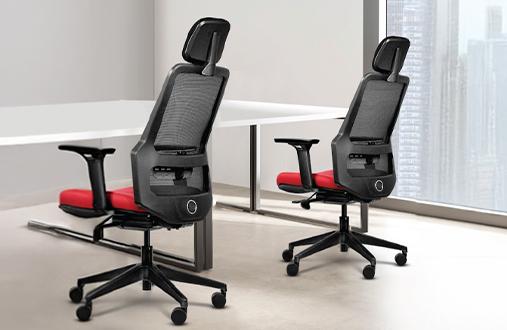
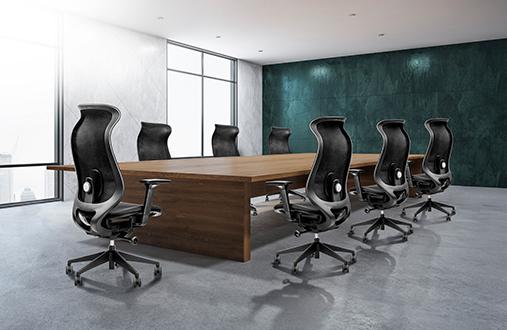
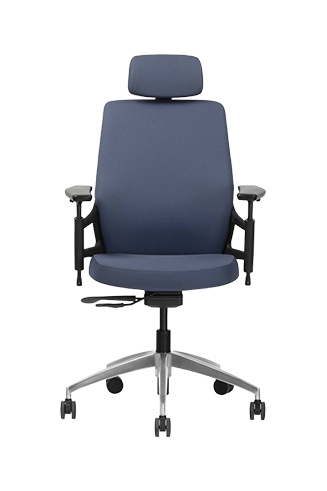
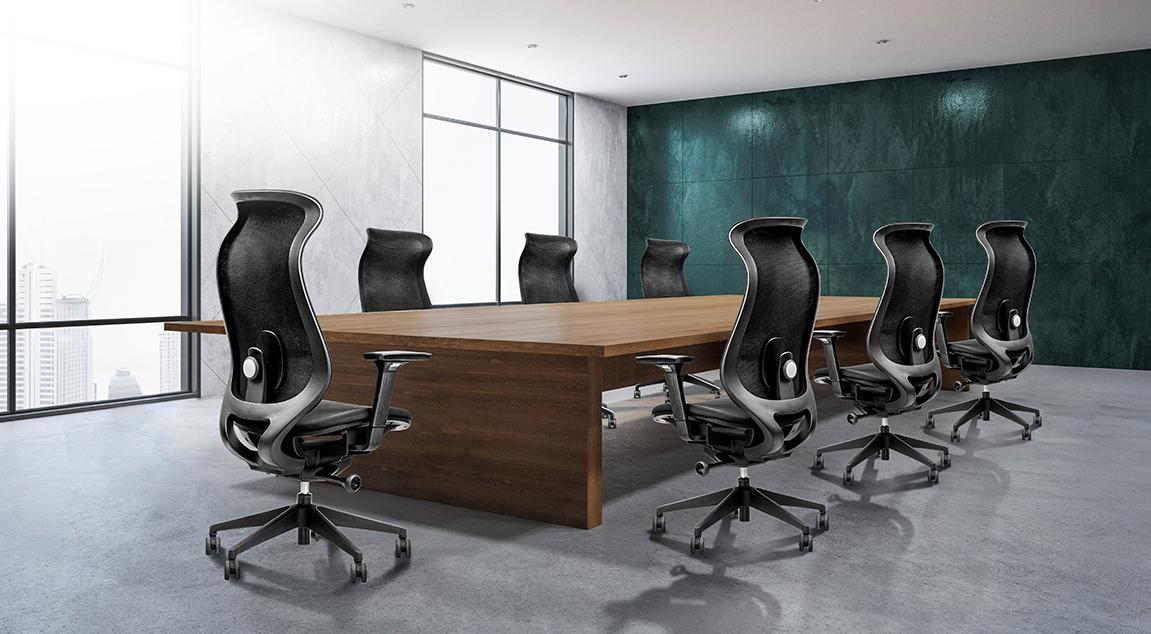
Chairs that combine dynamic lumbar systems with breathable seating materials illustrate how these principles translate into product design. The Wipro Always Glo Chair, for example, incorporates body-tracking lumbar support and a ventilated seat structure intended to distribute weight more evenly and reduce heat buildup. Its adjustable backrest and armrests further reinforce the core ergonomic objective outlined by OSHA: enabling a better individual fit rather than forcing the user to adapt to a fixed seating position.
Not all adjustable chairs qualify as truly ergonomic. Industry standards and research point to specific features that deliver measurable health and productivity benefits.
The broadest ergonomics definition requires three adjustable features to qualify a chair as ergonomic: adjustable lumbar support, adjustable armrests, and a reclining backrest. BIFMA standards specify more detailed requirements, including seat height ranges of approximately 16.9" to 20.9" (430–530 mm) to accommodate most users and seat depth adjustment of at least 2-3 inches (50-80 mm) to support different leg lengths.
When evaluating chairs, focus on these essential adjustments:
Height adjustment: Pneumatic controls allowing easy modification while seated, ensuring feet rest flat with thighs parallel to floor
Lumbar support: Both height and depth adjustment capabilities to match individual spine curves and prevent lower back strain
Seat pan depth: Forward and backward adjustment preventing pressure behind knees while maintaining back contact
Armrest positioning: Minimum height adjustability, ideally with width and pivot options for varied tasks
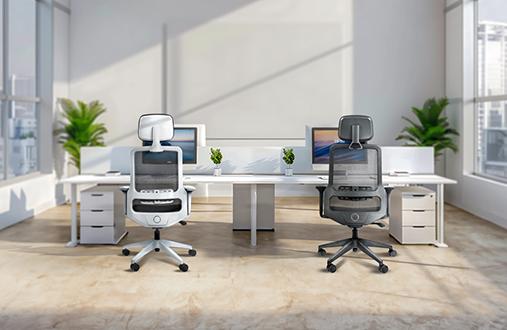
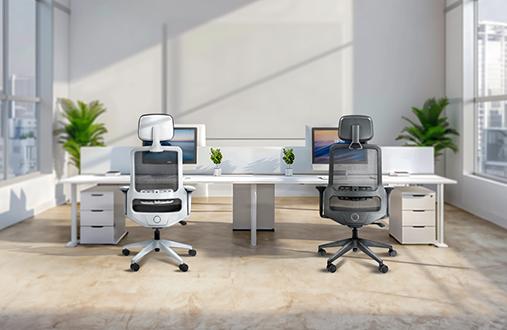
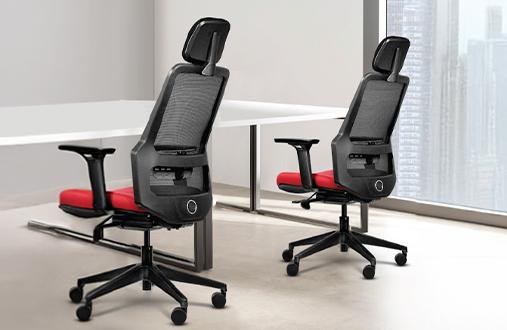
In warm, humid environments, mesh backrests offer superior airflow compared to cushioned alternatives, preventing heat buildup during extended work sessions. This becomes particularly important in climates where air conditioning may be limited or during peak summer months when maintaining comfort directly impacts focus and productivity.For instance, the Wipro Entity Chair combines a breathable mesh design along with much-needed adjustability features like seat height and tilt control.
Investment in quality seating delivers quantifiable returns that extend beyond employee comfort. Organisations need concrete metrics to justify ergonomic investments and measure their effectiveness.
Research documents return on investment ratios commonly between 2:1 and 10:1 for ergonomic interventions. Research has found that employees experienced a reduction in musculoskeletal disorder cases and related absenteeism.
These improvements translate directly to bottom-line results through reduced healthcare costs, lower absenteeism rates, decreased workers' compensation claims, and sustained productivity gains. The compounding effect of these benefits often exceeds initial investment costs within the first year.
Maximising returns requires more than purchasing quality chairs. Research emphasises combining ergonomic furniture with proper training and regular movement breaks. Studies recommend changing position from sitting to standing every hour and incorporating the 20-8-2 rule: sit for 20 minutes, stand for 8 minutes, and move for 2 minutes to optimise circulation and reduce fatigue.
Selecting appropriate ergonomic office chair options requires balancing features, quality standards, and budget constraints. Focus on evidence-based criteria rather than marketing claims.
ANSI/BIFMA X5.1 standards provide objective quality benchmarks, testing chairs for safety and durability over simulated 10+ year lifespans. When comparing options, verify BIFMA certification and look for manufacturers with established ergonomic credentials.
Focus investment on adjustments that directly impact health: quality lumbar support, appropriate seat height range, and stable five-point bases with smooth casters. While premium features enhance comfort, core ergonomic functions deliver the greatest productivity and health benefits.
Understanding the science behind ergonomic seating and employee productivity empowers better workplace investments. Research consistently demonstrates that proper seating increases performance while dramatically reducing injury risks. Whether upgrading existing workstations or furnishing new spaces, prioritising adjustable lumbar support, correct fit dimensions, and quality construction that meets recognised standards ensures long-term value. The measurable returns in productivity, health outcomes, and employee satisfaction justify treating ergonomic seating as essential infrastructure rather than optional comfort.
In practice, this means selecting well-engineered solutions from established manufacturers—such as Wipro Seating Solutions—that emphasise ergonomics, durability, and compliance with industry benchmarks. Choosing seating designed around these principles helps create workplaces where comfort supports concentration, and design decisions translate into sustained productivity gains rather than short-term fixes.