


Search Here
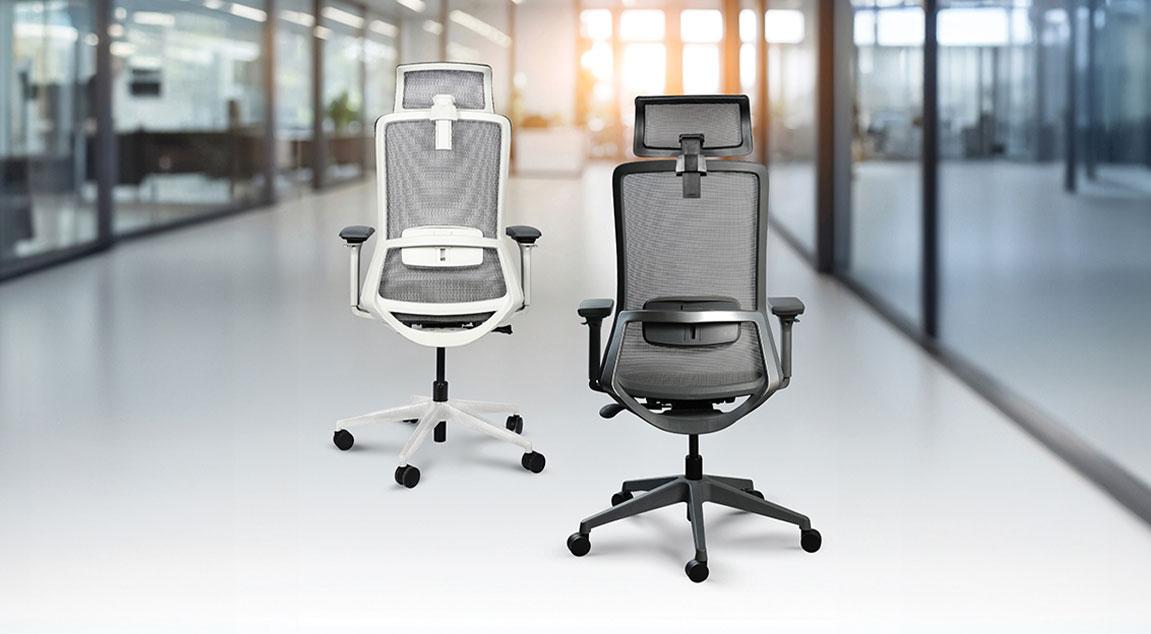
Table of Contents
|
Overview
Understanding what is ergonomic in chair design means recognising how thoughtful engineering supports the body through every working hour. Modern ergonomic chairs adapt to natural posture, reduce strain on the spine and muscles, and encourage healthy movement patterns throughout the day. From adjustable lumbar support to breathable materials suited for warm climates, these chairs work quietly in the background to prevent discomfort and support long-term wellbeing. This guide explores the science, features, and real-world benefits of ergonomic seating, helping make informed choices for workspace comfort and health. |
An office chair witnesses daily victories and challenges, supporting individuals through morning emails, afternoon video calls, and those last-minute deadline pushes. Yet many barely think about proper posture until they experience back pain or neck stiffness after a long day.
The difference between ordinary seating and understanding what ergonomic design is lies in how chairs work with the body rather than against it. Good seating quietly maintains posture, encourages natural movement, and prevents gradual strain.
The journey to comfortable, healthy sitting starts with understanding how human bodies interact with chairs throughout the workday. Modern ergonomics draws from decades of research about posture, movement, and the physiological demands of desk work.
The spine naturally forms an S-shaped curve that distributes weight and absorbs daily stress. While sitting, this delicate balance needs support at key points. Ergonomic chairs work by maintaining proper spinal alignment through carefully positioned support systems that adapt to the body.
The lumbar region, that gentle inward curve at the lower back, bears significant pressure when sitting.
Without proper support, the spine rounds outward, straining muscles and compressing discs. Quality ergonomic design provides targeted lumbar support that fills this gap, helping the spine maintain its natural position even during those marathon work sessions.
Workplace discomfort extends far beyond momentary aches. Research reveals that approximately 76.5% of computer professionals in India report musculoskeletal disorders, including pain in the neck, back, shoulders, and wrists. These numbers represent real people dealing with preventable discomfort that affects their work quality and personal lives.
Poor seating creates a cascade of problems. When a chair lacks proper support, the body compensates through unhealthy postures. This is when hunching to reach the keyboard, slouching to view the screen or twisting awkwardly to take calls becomes second nature. Over months and years, these small adjustments compound into chronic issues that require medical attention and affect career longevity.
Understanding what ergonomic chairs are means looking beyond basic comfort to examine how specific features work together to support the body through varied work tasks and postures.
Lumbar support acts as the foundation of ergonomic seating. This structured element maintains the natural curve of the lower back, preventing the slouching that leads to fatigue and pain. Modern lumbar systems adjust both in height and depth, allowing you to position support exactly where the spine needs it most.
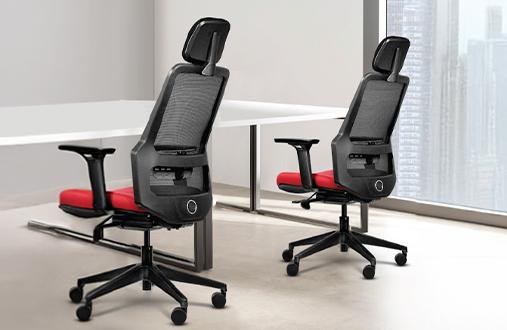
Wipro's Always chair is India's first chair with Body Tracking Lumbar Support which adjusts to your needs and never lets you lose focus. Rather than forcing individuals into one rigid position, this system provides consistent support whether one is leaning forward to focus on detailed work or reclining during a thinking break.
Every body shows its own story through its shape, choices, and actions. That's why adjustability stands at the heart of ergonomic design. Height adjustment ensures that feet rest flat on the floor while the thighs remain parallel to the ground. Armrests that move up, down, forward, and sideways prevent shoulder tension by supporting the arms at the perfect angle for typing or writing.
|
Feature |
Basic Adjustment |
Advanced Ergonomic Options |
Benefits for Daily Work |
|---|---|---|---|
|
Seat Height |
Up/Down |
Pneumatic with memory |
Maintains proper leg positioning |
|
Backrest |
Fixed angle |
Dynamic tilt with tension control |
Supports varied work postures |
|
Armrests |
Static |
4D movement |
Reduces shoulder and neck strain |
|
Lumbar Support |
None |
Height and depth adjustable |
Prevents lower back fatigue |
Finding the right ergonomic fit goes beyond following generic setup guides. The body provides clear signals about whether a chair truly supports the work style and physical needs.
A properly adjusted ergonomic chair should feel like an extension of the body: the feet rest comfortably on the floor without pressure behind the knees, the lower back feels supported without being pushed forward, arms rest naturally at the sides with shoulders relaxed, not hunched or stretched.
Paying attention to how one feels at different times throughout the workday also helps. Morning stiffness might indicate inadequate lumbar support. Afternoon shoulder tension often points to armrests set too high or too low. These subtle messages from the body can help guide towards better adjustments that prevent long-term discomfort.
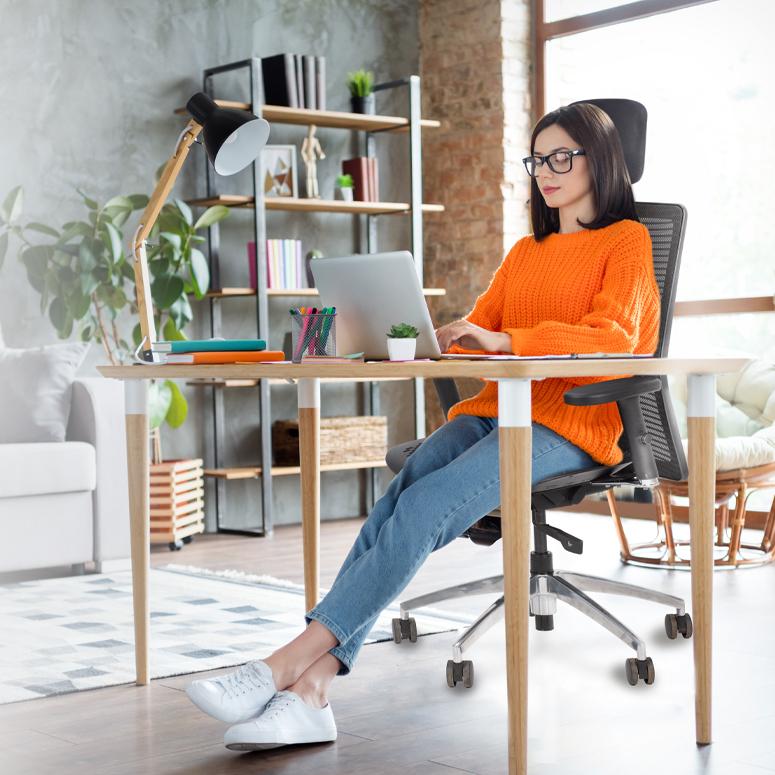
The materials in a chair affect comfort just as much as its mechanical features, especially in India's diverse climate conditions ranging from humid coastal regions to dry inland areas.
Traditional leather and vinyl chair coverings trap heat and moisture, creating discomfort during warm months or in offices where air conditioning struggles to keep up. Modern ergonomic designs embrace breathable mesh backrests that allow continuous airflow, preventing the sticky, uncomfortable feeling that disrupts concentration.
High-quality mesh materials offer multiple benefits beyond temperature control. They conform gently to the back's contours while maintaining supportive structure over years of use. This combination of flexibility and durability makes mesh particularly suitablefor the varying temperature conditions found in many Indian workplaces. Wipro's Adapt chair is perfect for such a situation as its mesh backrest reduces heat and the automatic weight sensing mechanism makes it adjustable to any body type.
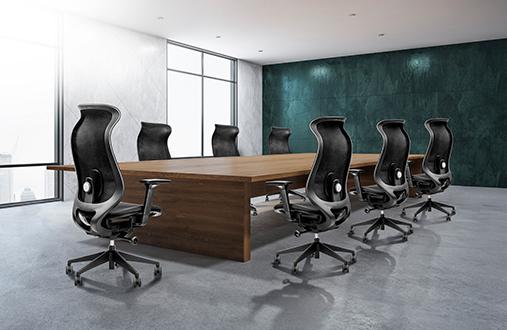
Seat cushions require different material considerations. While mesh works wonderfully for backrests, seats benefit from high-density foam covered in breathable fabric. This combination provides necessary support for extended sitting while allowing some air circulation. Look for fabrics treated to resist stains and wear, especially important in shared workspace environments. The Wipro Aerosit chair does just that as it is made using high-grade materials and it even sports a contoured back and height adjustable lumbar support, making it perfect for long hours at the desk.
Material Selection Guide for Indian Climates:
Mesh backs: Ideal for year-round comfort, especially during monsoon humidity
Breathable fabric seats: Balance support with temperature regulation
Waterfall seat edges: Reduce pressure on thighs, improving circulation
Moisture-wicking materials: Keep contact points comfortable during long hours
Easy-clean surfaces: Essential for maintaining hygiene in dusty environments
Beyond preventing discomfort, proper ergonomic seating actively enhances work performance and overall wellbeing in measurable ways.
The connection between comfort and output shows clearly in workplace research. A recent study found that staff using adjustable ergonomic chairs experienced higher productivity compared to those using standard seating. This improvement stems from reduced distraction due to discomfort, fewer position adjustments, and sustained energy levels throughout the day.
Thinking about one's own experience during a typical workday can lead to many insights. How often do discomfort or fatigue interrupt the flow state? Quality ergonomic seating removes these barriers, allowing for prolonged periods of focus for the tasks that matter.
The true value of understanding what is ergonomic in relation to chairs reveals itself over months and years. Professionals investing in proper seating report fewer sick days related to back pain, sustained energy levels throughout careers, and the ability to work comfortably well into later years.
Consider the cumulative effect of sitting 8-10 hours daily over a career spanning decades. Small daily improvements in posture and support compound into significant health benefits. Reduced muscle tension means better sleep quality. Improved circulation supports mental clarity. Proper spinal alignment prevents the gradual deterioration that forces many professionals to reduce their work hours or change careers entirely.
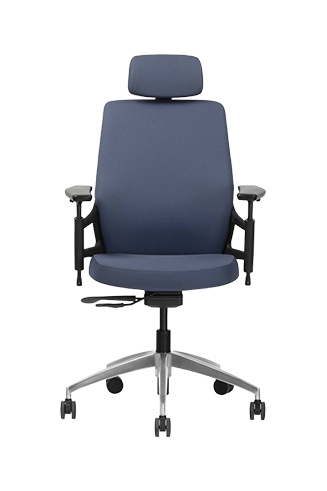
For those transitioning between office and homework environments, consistency matters. The dramatic shift to remote work highlighted how different seating environments affect bodies. Wipro's Alivio chair addresses this need for consistent ergonomic support across locations, helping maintain healthy postures regardless of the working environment. The specially contoured S-frame helps support the back, while the adjustable headrest allows for micro adjustments.
However, even the most advanced ergonomic chair provides optimal results only when used along with regular movement. Standing and stretching at hourly intervals, taking walking breaks, and changing posture throughout the day help maintain comfort and reduce strain.
Understanding what ergonomic chairs are empowers one to make informed decisions about workplace wellbeing. The features that matter most – adjustable lumbar support, breathable materials, and personalised adjustability – work together to create seating that adapts to unique needs while preventing long-term health issues.
Your search for better workplace comfort starts with recognising that you deserve support throughout your workday. Explore Wipro's comprehensive seating solutions to discover chairs designed with your health, productivity, and long-term comfort at heart.
Ergonomic chair design means engineering seating to support natural body posture, reduce strain, and promote healthy movement. These chairs feature adjustable components that adapt to individual body types and work styles.
Studies show ergonomic chairs can considerably reduce lumbar pain. They support proper spinal alignment and reduce muscle strain during extended sitting periods.
Adjustable lumbar support ranks as most critical, maintaining your spine's natural curve. This prevents slouching and reduces lower back strain during long work sessions.
Your feet should rest flat on the floor with thighs parallel to the ground. Knees should form approximately 90-degree angles without pressure behind them.
Yes, mesh backrests provide superior airflow, preventing heat buildup and moisture accumulation. They're particularly suitable for warm, humid conditions common across India.
Standard chairs offer basic seating, while ergonomic chairs provide adjustable support systems, lumbar mechanisms, and materials designed for extended comfortable use.